Creating Hygienic School Environments: Essential Cleaning Practices
Introduction to Hygienic School Environments
Creating a hygienic environment in schools is crucial for the health and well-being of students and staff. With the right cleaning practices, schools can reduce the spread of germs and create a safe learning environment. This post explores essential cleaning practices that contribute to maintaining cleanliness and hygiene in educational settings.
Importance of Regular Cleaning
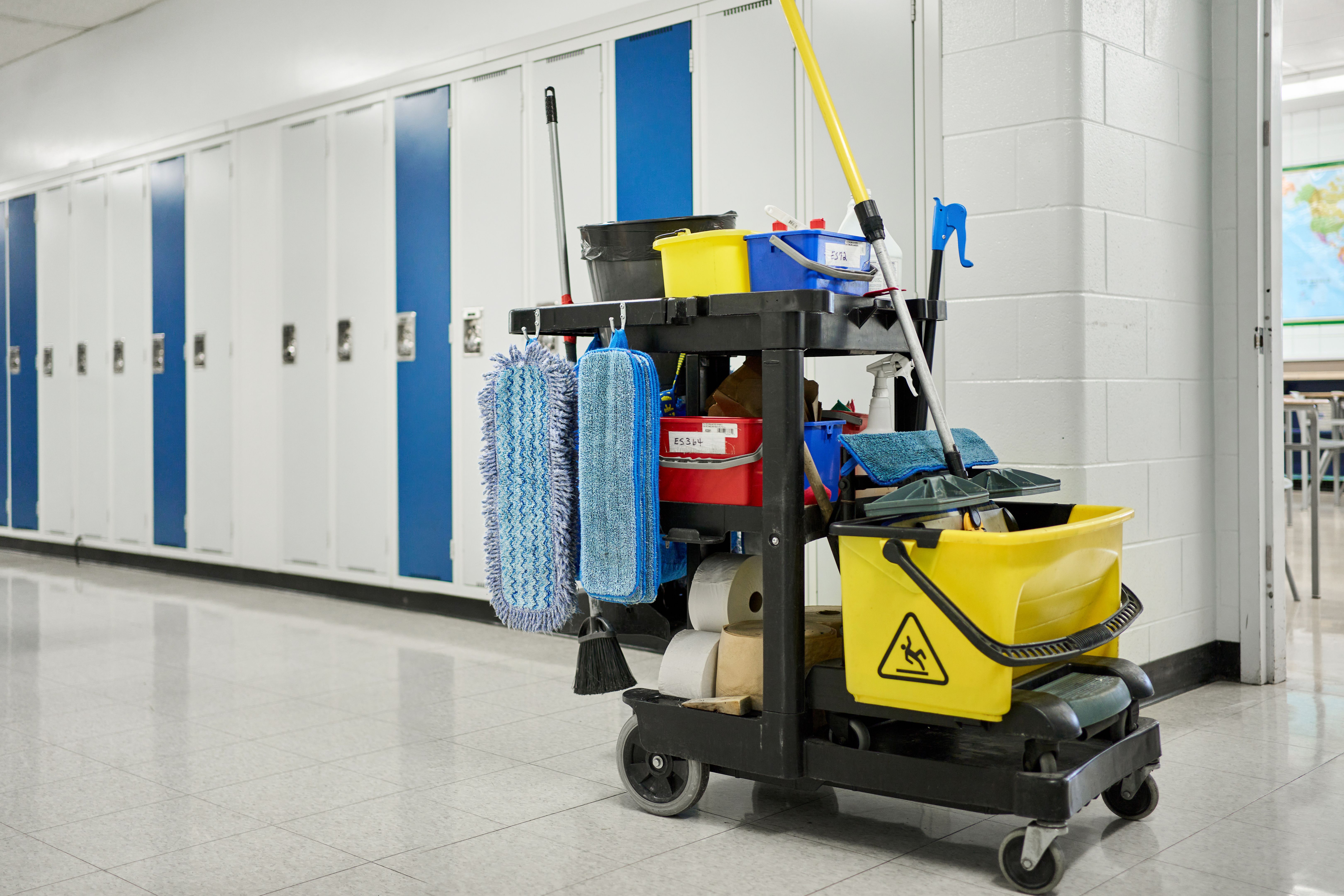
Regular cleaning is the foundation of a hygienic school environment. It not only helps in maintaining a neat appearance but also plays a vital role in reducing the transmission of infectious diseases. Schools should establish a routine cleaning schedule that covers all areas, from classrooms to restrooms.
Daily Cleaning Tasks
Daily cleaning tasks are essential to ensure that high-traffic areas remain clean and safe. Some critical daily tasks include:
- Wiping down desks and chairs
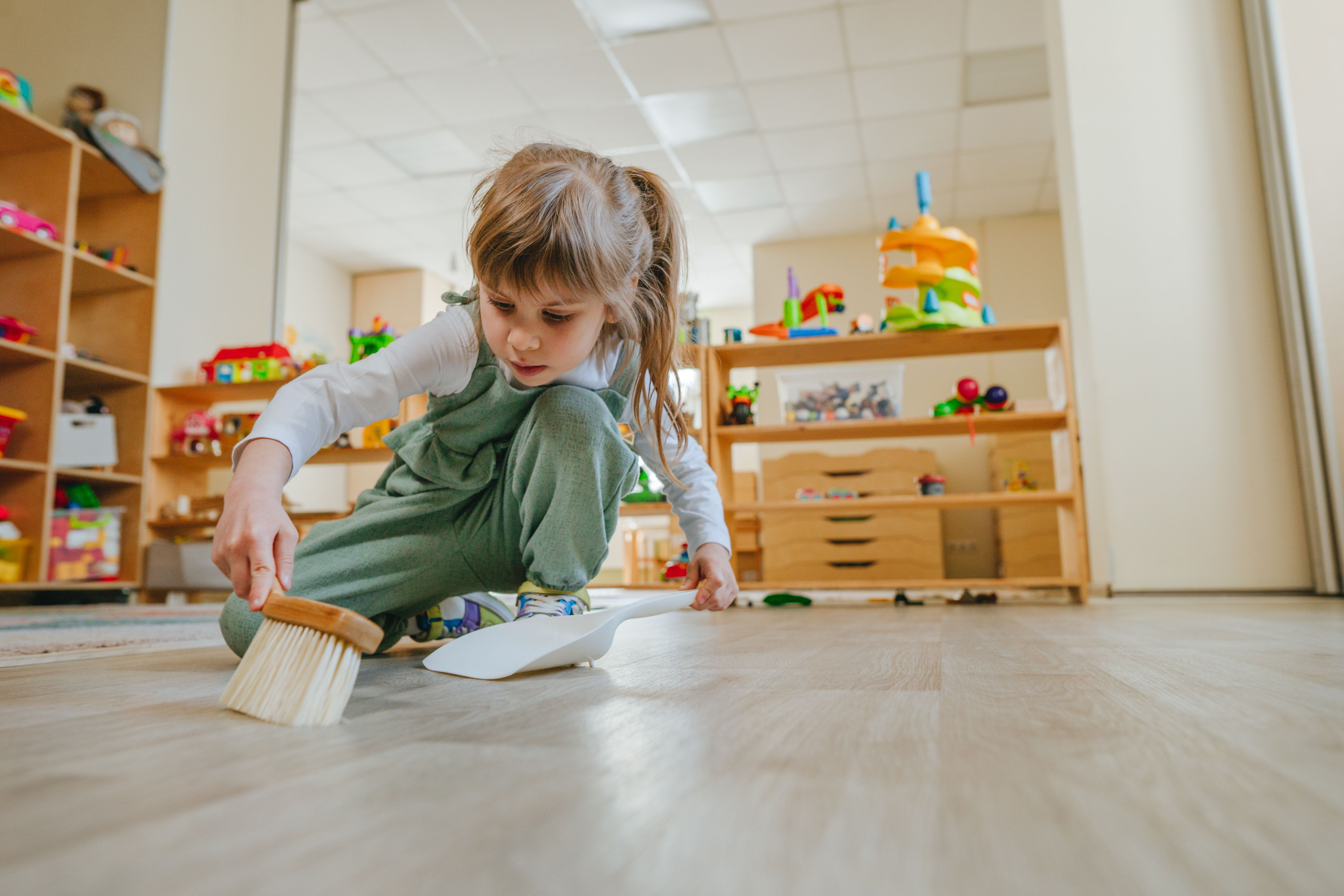
- Sweeping and mopping floors
- Disinfecting door handles and light switches
- Emptying trash bins
Deep Cleaning Practices
While daily cleaning tackles surface-level dirt, deep cleaning is necessary to address hidden germs and allergens. Schools should schedule deep cleaning sessions during breaks or after school hours to minimize disruption. Deep cleaning tasks include:
- Steam cleaning carpets and upholstery
- Scrubbing restroom tiles and fixtures
- Cleaning windows and blinds
- Sanitizing computer keyboards and shared equipment
Choosing the Right Cleaning Products
Selecting appropriate cleaning products is crucial for effective cleaning. Schools should opt for non-toxic, eco-friendly cleaning agents to ensure the safety of students and staff. It's important to check that products are effective against a broad spectrum of germs.

Educating Staff and Students
Education plays a significant role in maintaining a hygienic school environment. By educating staff and students on proper hygiene practices, schools can foster a culture of cleanliness. This includes teaching correct handwashing techniques and encouraging the use of hand sanitizers.
Incorporating Technology
Technology can enhance cleaning efficiency in schools. Automated cleaning equipment, such as robotic vacuums and electrostatic sprayers, can save time and ensure thorough sanitation. Utilizing technology allows schools to maintain high hygiene standards with minimal manual effort.

Conclusion
Maintaining a hygienic school environment is a continuous effort that requires commitment from both staff and students. By implementing regular cleaning schedules, choosing the right products, and embracing technology, schools can create a safe and healthy environment conducive to learning. These essential cleaning practices are vital for the well-being of everyone in the school community.