Creating Safe and Hygienic Learning Environments: The Importance of School Cleaning
Understanding the Importance of Cleanliness in Schools
Schools are more than just places of learning; they are environments where students spend a significant portion of their day. Ensuring these environments are clean and hygienic is crucial for the health and well-being of students and staff. A well-maintained school not only promotes good health but also enhances learning outcomes by providing a pleasant atmosphere.
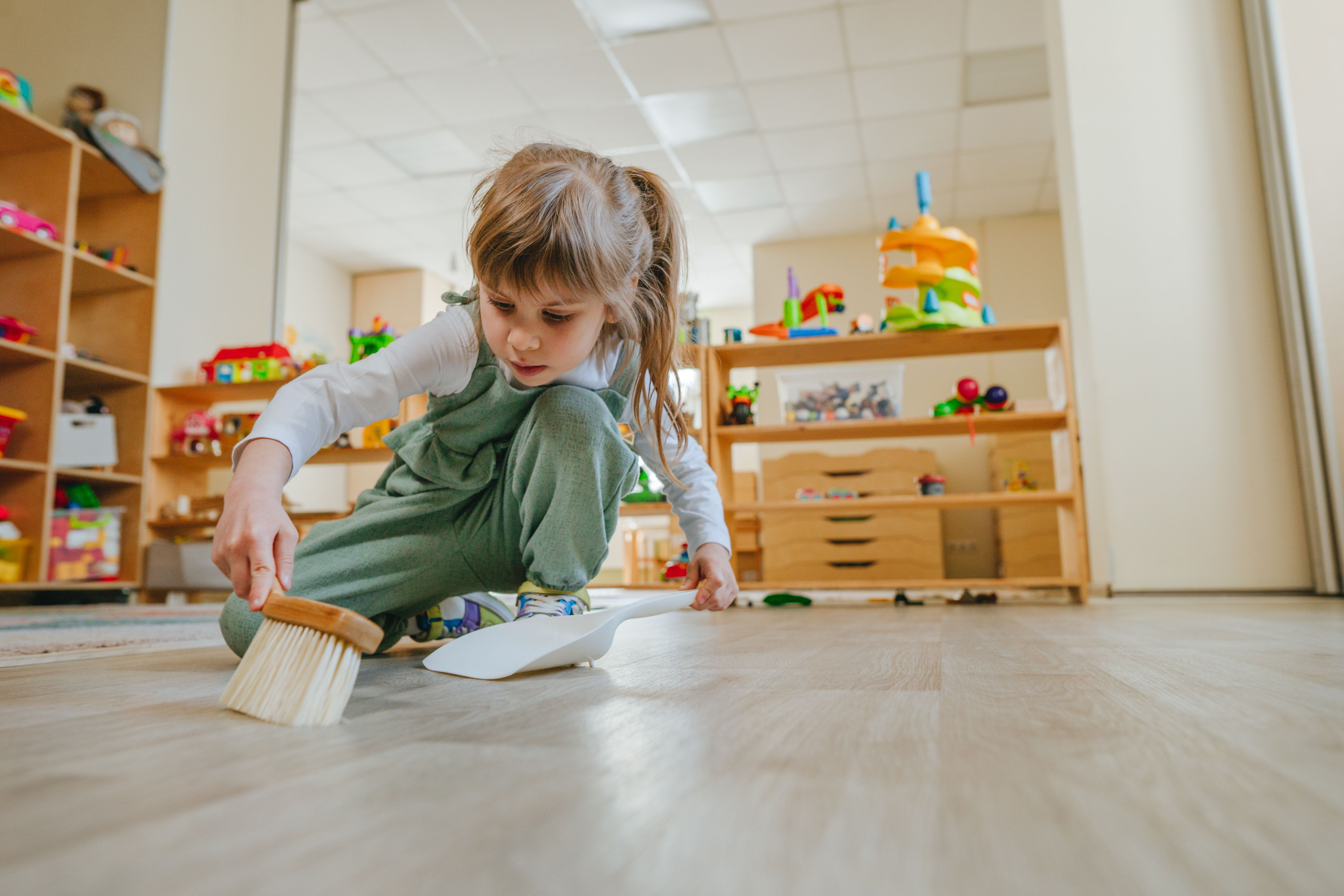
In recent years, the focus on cleanliness has intensified due to health concerns. Schools must prioritize cleaning protocols to prevent the spread of illnesses. A clean school environment contributes to fewer absences and a more productive learning environment. Understanding this importance is the first step toward implementing effective cleaning strategies.
Key Areas of Focus for School Cleaning
Classrooms and Learning Spaces
Classrooms are the primary learning spaces and should be prioritized in any cleaning regimen. Dust, allergens, and germs can accumulate quickly, affecting students' health. Regular cleaning and disinfecting of desks, chairs, and surfaces can significantly reduce the risk of illness. Additionally, ensuring proper ventilation can help maintain air quality.
Restrooms and Cafeterias
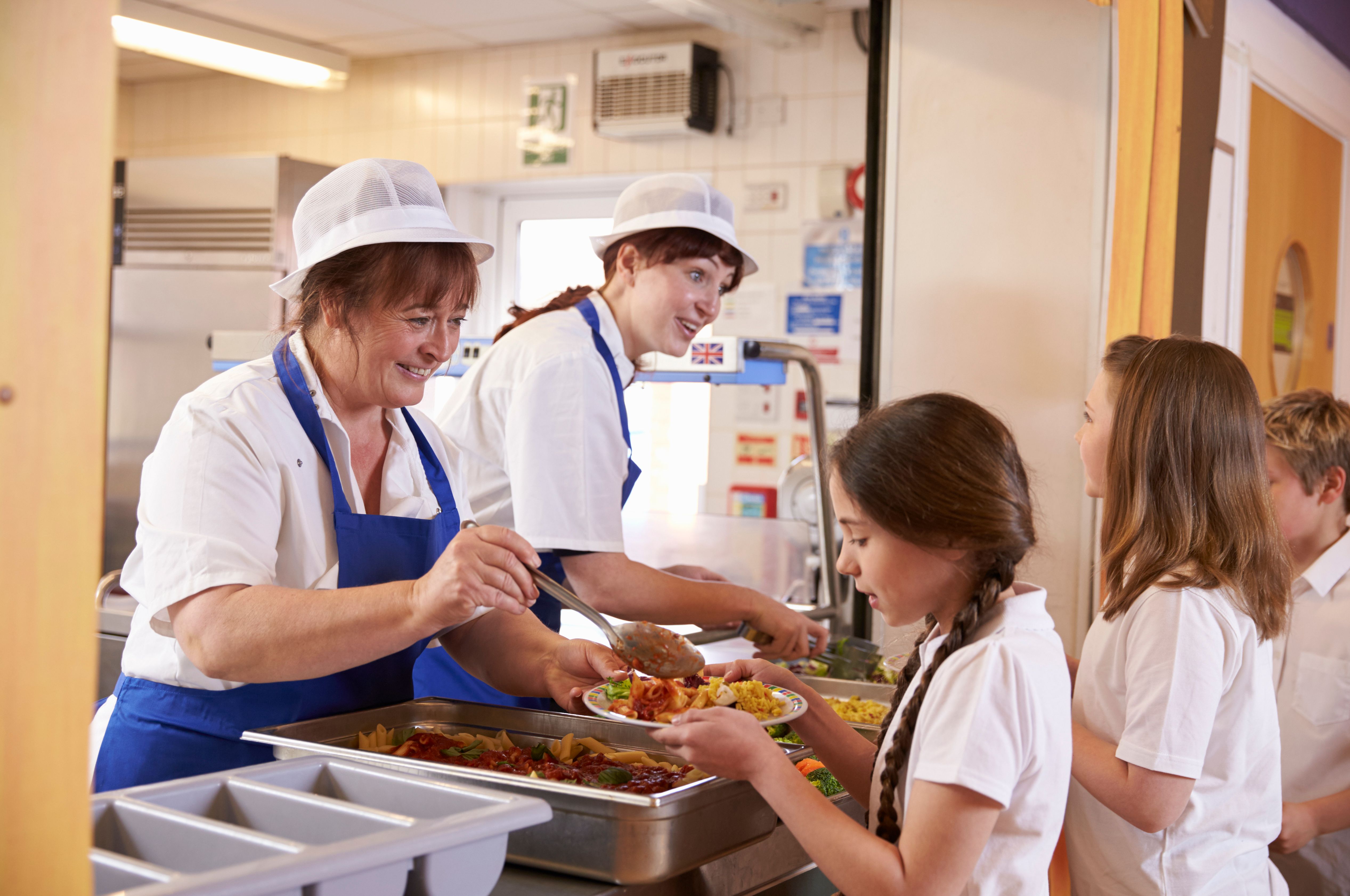
Restrooms and cafeterias require special attention due to their high usage and potential for germ spread. Daily cleaning and sanitization of these areas are essential. In cafeterias, proper food handling and cleaning procedures are crucial to prevent foodborne illnesses. Restrooms should be equipped with necessary supplies like soap and hand sanitizers to encourage hygiene among students.
Implementing Effective Cleaning Protocols
Choosing the Right Cleaning Products
The use of effective cleaning products is vital in maintaining a hygienic school environment. Schools should opt for products that are not only effective against germs but also safe for students and staff. Eco-friendly products are increasingly popular as they reduce the environmental impact while ensuring safety.
Training and Involvement of Staff
Staff training is a critical component of effective cleaning protocols. School cleaning staff should be well-trained in the latest cleaning techniques and safety standards. Involving teachers and students in maintaining cleanliness can also foster a sense of responsibility and community.

The Role of Technology in School Cleaning
Technology plays an increasingly important role in enhancing school cleaning efforts. Automated cleaning equipment, such as robotic vacuums and floor scrubbers, can increase efficiency and reduce the time required for cleaning. Additionally, using technology to monitor cleanliness levels can help identify areas needing attention.
Adopting new technologies can also support sustainability goals. Energy-efficient equipment and digital cleaning schedules can reduce waste and improve resource management, contributing to a greener school environment.
Long-Term Benefits of Maintaining a Clean School
Investing in a comprehensive cleaning strategy offers numerous long-term benefits. Not only does it safeguard the health of students and staff, but it also promotes a positive school image. Parents are more likely to choose schools that prioritize cleanliness, and students thrive in environments where they feel safe and cared for.
Ultimately, creating safe and hygienic learning environments is an investment in the future. By prioritizing cleanliness, schools can ensure that they provide a healthy, welcoming, and effective space for learning and growth.