Creating Safe and Hygienic School Environments: A Cleaning Checklist
Maintaining a clean and hygienic environment in schools is crucial for the health and well-being of students, teachers, and staff. With numerous people gathering daily, schools can become hotspots for germs and bacteria if not properly managed. Implementing a comprehensive cleaning checklist ensures that every corner of the school is attended to regularly, minimizing the risk of illness.
Daily Cleaning Routines
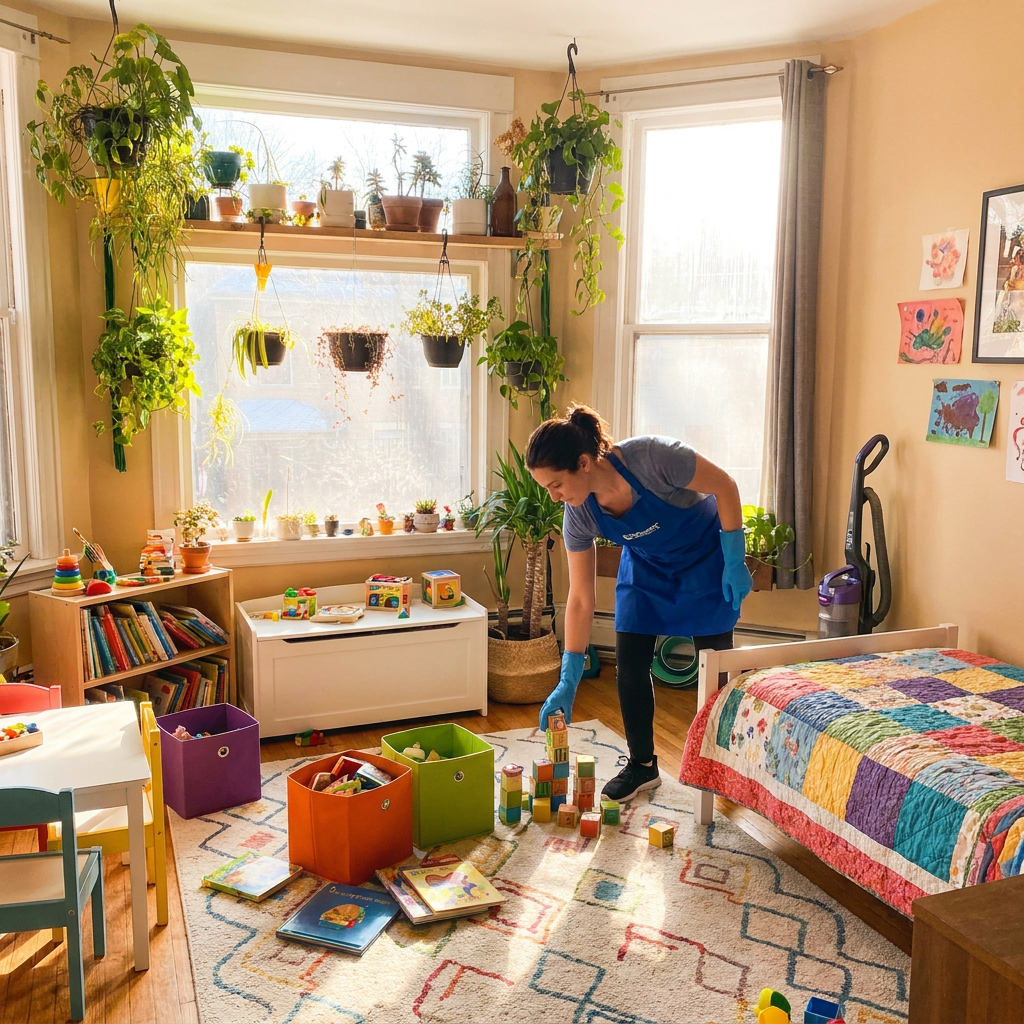
Daily cleaning routines are the backbone of maintaining a healthy school environment. These tasks should be performed consistently to prevent the accumulation of dirt and germs.
Classrooms and Offices
Classrooms and offices should be cleaned thoroughly each day. This includes:
- Dusting surfaces like desks, chairs, and shelves.
- Emptying trash bins and replacing liners.
- Wiping down whiteboards and chalkboards.
- Vacuuming or sweeping floors.
Additionally, ensure that all high-touch areas such as doorknobs, light switches, and computer keyboards are disinfected.
Weekly Deep Cleaning
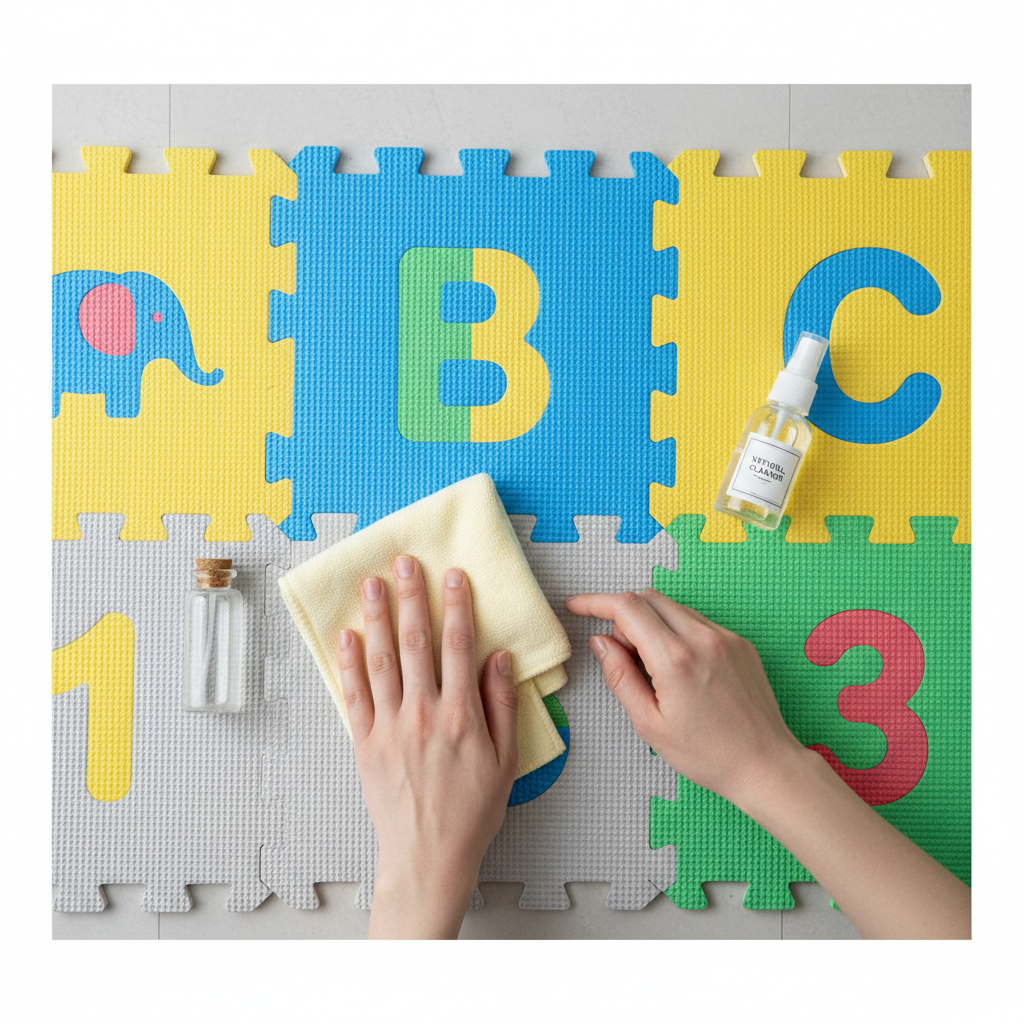
While daily cleaning tackles immediate hygiene needs, weekly deep cleaning addresses areas that require more detailed attention. This routine helps in maintaining a pristine environment throughout the school.
Restrooms
Restrooms should undergo a deep cleaning at least once a week. Tasks should include:
- Scrubbing toilets, sinks, and urinals.
- Refilling soap dispensers and paper towel holders.
- Mopping floors with a disinfectant solution.
- Checking for and addressing any plumbing issues.
Monthly Maintenance Tasks
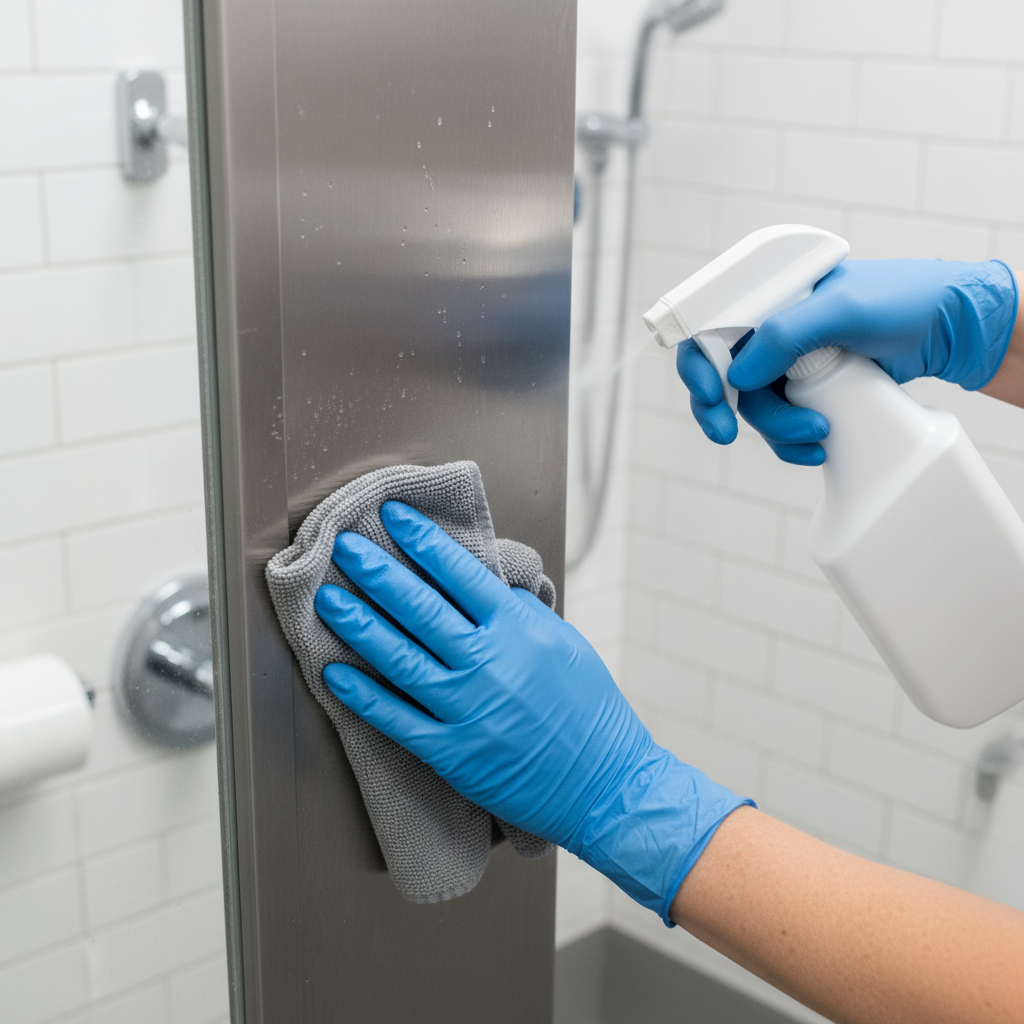
Monthly maintenance tasks are essential for areas that do not require daily or weekly attention but still need regular upkeep to ensure overall cleanliness and safety.
Windows and Vents
Cleaning windows and vents is vital for air quality and natural light. Ensure that:
- Windows are washed to remove smudges and dirt.
- Vents are dusted and vacuumed to maintain air circulation.
Regularly checking and cleaning these areas helps in preventing mold and dust accumulation.
The Importance of Training and Supervision
Proper training for cleaning staff is crucial to ensure that all tasks are performed effectively and efficiently. Regular supervision and feedback can help maintain high cleaning standards throughout the school.
By implementing a structured cleaning checklist, schools can create a safer, healthier environment that supports learning and minimizes the risk of illness. Consistent efforts in maintaining hygiene not only protect students and staff but also foster a sense of well-being and productivity within the educational setting.