Ensuring Hygiene in Medical Environments: A Guide to Surgery Cleaning
Introduction to Surgical Hygiene
Maintaining impeccable hygiene in medical environments is crucial, especially in surgical settings. Ensuring cleanliness not only protects patients but also safeguards medical staff from potential infections. In this guide, we will explore the key steps and considerations for effective surgery cleaning.

Understanding the Importance of Sterilization
Sterilization is the cornerstone of surgical hygiene. It involves eliminating all forms of microbial life, including bacteria, viruses, and fungi. Proper sterilization techniques ensure that surgical instruments and environments are free from contaminants that could lead to infections.
Common sterilization methods include autoclaving, which uses high-pressure steam, and chemical sterilants that eliminate pathogens. Adhering to strict sterilization protocols is vital for maintaining a safe surgical environment.
Autoclaving Process
The autoclaving process is widely used in hospitals due to its effectiveness. It involves placing instruments in a chamber where they are exposed to high-pressure steam at temperatures above 121 degrees Celsius. This method is ideal for metal tools and heat-resistant materials.

Chemical Sterilants
Chemical sterilants are used for equipment that cannot withstand high temperatures. These include items made from plastic or rubber. The chemicals, such as ethylene oxide and hydrogen peroxide, must be handled with care to ensure safety.
Daily Cleaning Protocols
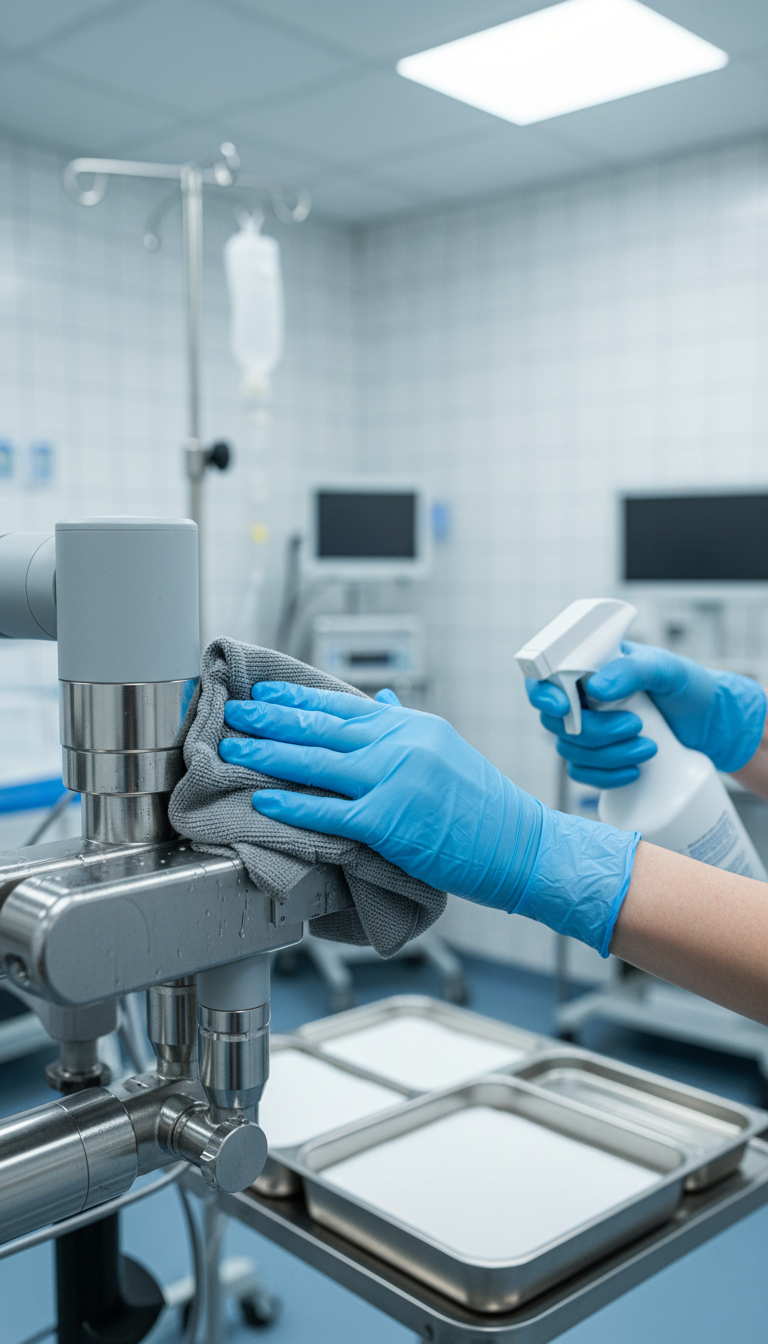
Beyond sterilization, daily cleaning routines play a crucial role in maintaining hygiene. Surfaces, floors, and equipment should be cleaned and disinfected regularly to prevent the spread of pathogens.
- Wipe down all surfaces with hospital-grade disinfectants.
- Ensure floors are mopped with appropriate cleaning solutions.
- Regularly replace bed linens and sanitize patient areas.
Staff Training and Compliance
Effective cleaning relies heavily on well-trained staff. Regular training sessions should be conducted to educate staff on the latest cleaning protocols and the importance of compliance. It is essential for staff to understand that their role in maintaining hygiene can directly impact patient outcomes.
Monitoring and Continuous Improvement
To ensure ongoing hygiene standards, implement a monitoring system that regularly assesses cleanliness levels. This can involve routine inspections and feedback mechanisms to identify areas for improvement.
Continuous improvement is key. By staying updated with the latest hygiene practices and technologies, medical facilities can enhance their cleaning procedures and provide the safest environment possible for patients and staff.