Ensuring Student Safety: Essential School Cleaning Practices
Introduction
Ensuring student safety is a top priority for educational institutions, and a critical component of this is maintaining a clean and healthy environment. Effective school cleaning practices not only promote health but also enhance the learning experience by reducing absenteeism. In this post, we'll explore essential cleaning practices that schools can implement to keep students safe.
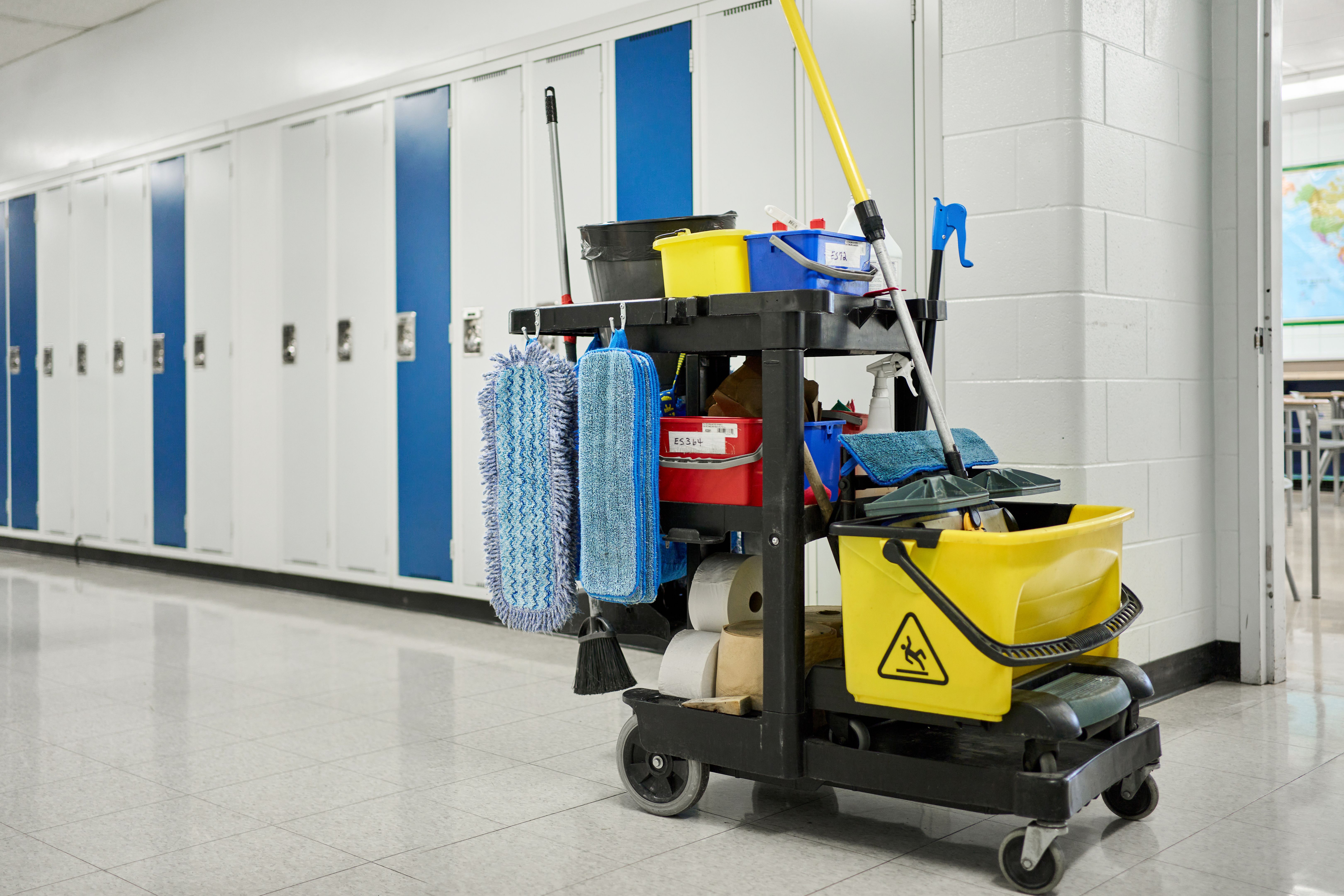
Understanding the Importance of Clean Schools
Schools are bustling environments where germs can spread rapidly. A clean school minimizes the risk of illness outbreaks, allowing students to focus on their studies rather than recovery. Cleanliness is directly linked to improved concentration and overall well-being.
Health Benefits
Regular cleaning reduces the presence of allergens, bacteria, and viruses. This is especially important in preventing illnesses like the flu, colds, and even COVID-19. By implementing effective cleaning protocols, schools can significantly decrease the spread of infections.
Developing a Cleaning Routine
A structured cleaning routine is vital for maintaining hygiene. Schools should adopt a comprehensive cleaning schedule that covers all areas, from classrooms and restrooms to cafeterias and gymnasiums.
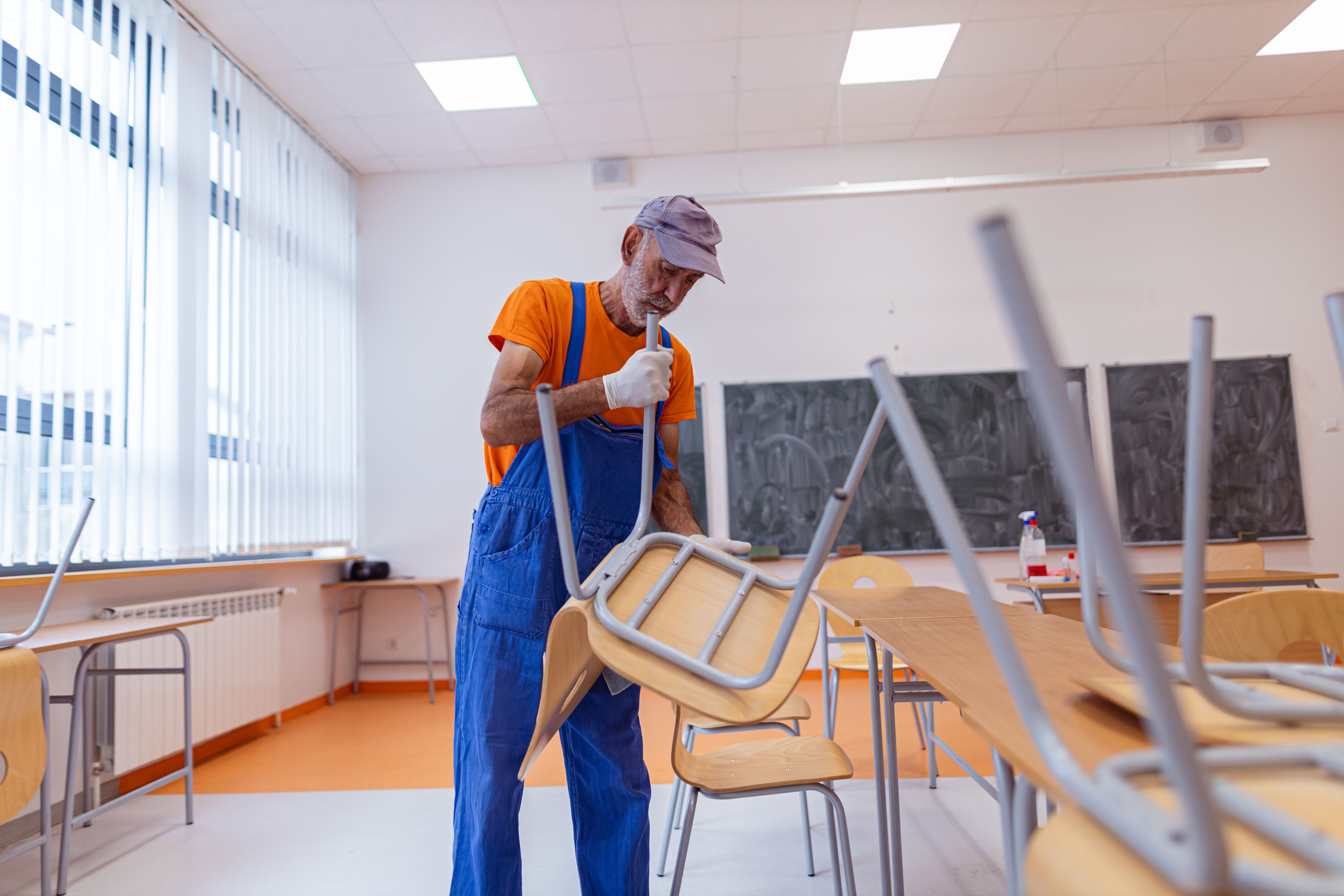
Daily Cleaning Tasks
Some tasks need to be performed daily to ensure a clean environment. These include:
- Disinfecting high-touch surfaces like door handles, desks, and light switches.
- Emptying trash bins and ensuring proper waste disposal.
- Cleaning and disinfecting restrooms multiple times a day.
Weekly and Monthly Tasks
In addition to daily tasks, schools should schedule weekly and monthly deep cleans. This might involve:
- Thorough cleaning of floors and carpets.
- Checking and cleaning air vents and filters.
- Sanitizing less frequently used areas such as storage rooms.
Using Safe and Effective Cleaning Products
When selecting cleaning products, it's essential to choose those that are both effective and safe for students. Products should be non-toxic and environmentally friendly to ensure the health of both students and staff.
Eco-Friendly Options
Eco-friendly cleaning products are a great choice for schools as they reduce the exposure to harsh chemicals. These products are not only safer but also contribute to a more sustainable environment.
Training and Involvement
Proper training for cleaning staff is crucial. They should be aware of the best practices in cleaning and disinfection, as well as the appropriate use of cleaning products. Additionally, involving teachers and students in maintaining cleanliness can foster a sense of responsibility and community.
By implementing these essential cleaning practices, schools can create a safer, healthier environment for students to learn and grow. Keeping schools clean is a collaborative effort that benefits everyone involved.