Maintaining Hygiene in Medical Environments: Essential Surgery Cleaning Practices
Maintaining hygiene in medical environments is crucial for ensuring patient safety and preventing infections. Surgery cleaning practices are an essential component of this effort, as they help maintain a sterile environment where patients can receive care without the risk of contamination. In this post, we'll explore the key practices and protocols involved in keeping surgical areas clean and safe.
Understanding the Importance of Surgical Hygiene
Surgical hygiene is vital for preventing Healthcare-Associated Infections (HAIs), which can occur when pathogens are transmitted during medical procedures. These infections can lead to complications, prolonged hospital stays, and even increased mortality rates. Therefore, implementing stringent cleaning protocols is not just a regulatory requirement but a moral imperative for healthcare facilities.

Standard Cleaning Procedures
Standard cleaning procedures in surgical environments involve a series of steps designed to eliminate pathogens and maintain sterility. Here are some of the key practices:
- Regular cleaning of surfaces with approved disinfectants.
- Proper disposal of medical waste to prevent contamination.
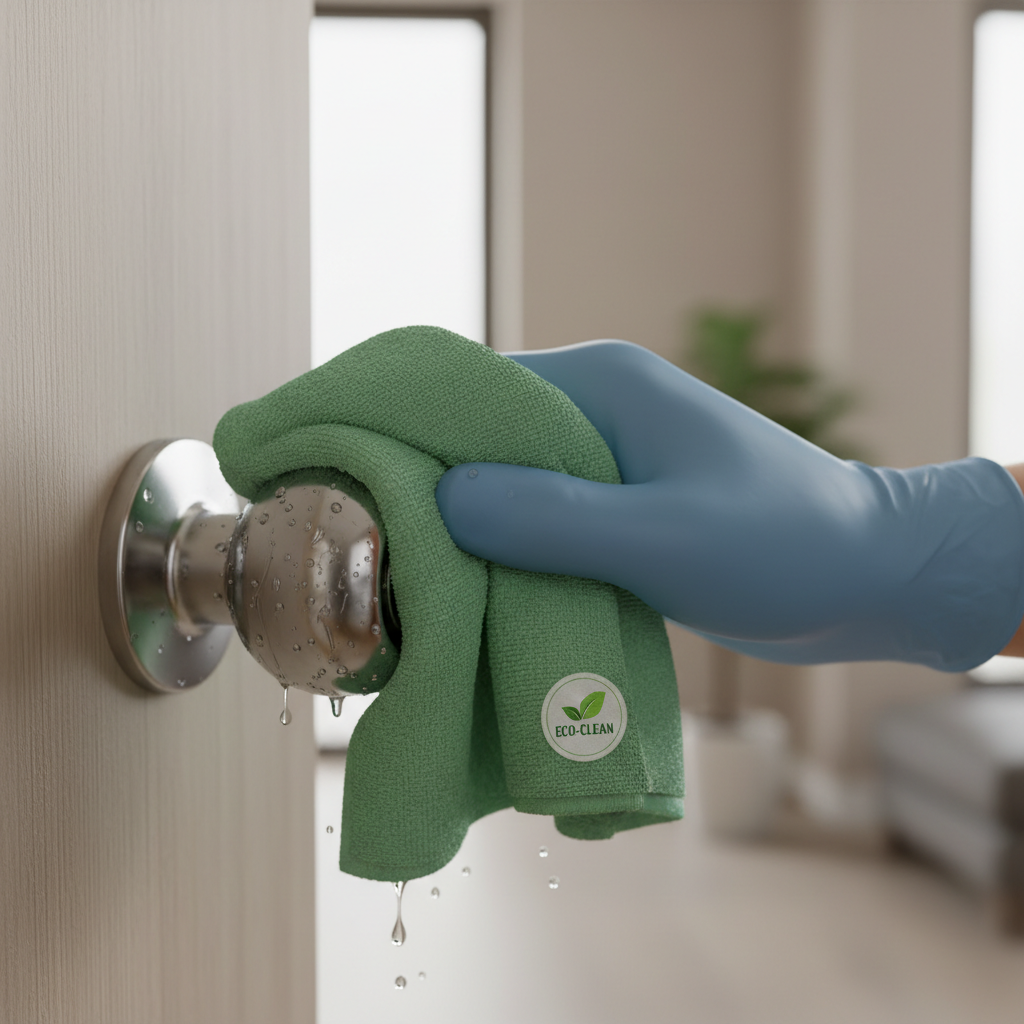
- Frequent cleaning of high-touch areas such as door handles, light switches, and equipment.
These procedures must be carried out consistently to ensure a safe environment for both patients and medical staff.
Role of Disinfectants
Disinfectants play a crucial role in maintaining hygiene in surgical environments. It's essential to choose the right type of disinfectant for different surfaces and ensure that they are used according to manufacturer guidelines. Alcohol-based solutions, bleach, and hydrogen peroxide are commonly used due to their effectiveness in killing a wide range of pathogens.
Advanced Cleaning Technologies
With advancements in technology, healthcare facilities can now utilize sophisticated cleaning systems to enhance the effectiveness of their hygiene practices. UV light disinfection and electrostatic sprayers are two examples of technology that provide thorough cleaning by reaching areas that are typically hard to access.
These technologies not only save time but also improve the overall safety of surgical environments by ensuring that even the most resistant pathogens are eradicated.
Training and Compliance
Ensuring that medical personnel are adequately trained in cleaning protocols is a critical aspect of maintaining hygiene standards. Regular training sessions should be held to update staff on the latest cleaning techniques and regulatory requirements. Compliance checks are also necessary to ensure that procedures are being followed correctly.
Organizations should foster a culture of accountability where every team member understands their role in maintaining a clean and safe environment.
Conclusion
Maintaining hygiene in medical environments through effective surgery cleaning practices is essential for safeguarding patient health and minimizing the risk of infections. By implementing standard procedures, leveraging advanced technologies, and prioritizing staff training, healthcare facilities can create a safe and sterile environment that promotes healing and recovery.
Commitment to these practices ensures that patients receive the highest standard of care in a setting that prioritizes their wellbeing.