Surgery Cleaning: Maintaining High Hygiene Standards in Medical Facilities
Importance of Hygiene in Surgical Environments
Maintaining high hygiene standards in surgical environments is crucial for patient safety and the prevention of infections. In medical facilities, where surgeries are performed regularly, a rigorous cleaning protocol is essential. Every surface, tool, and piece of equipment must be meticulously sanitized to ensure a sterile environment.
The consequences of inadequate cleaning can be severe, leading to complications such as surgical site infections (SSIs). These infections not only threaten patient health but can also extend hospital stays and increase healthcare costs. Therefore, adhering to stringent cleaning guidelines is both a medical and financial imperative.
Key Areas for Surgical Cleaning
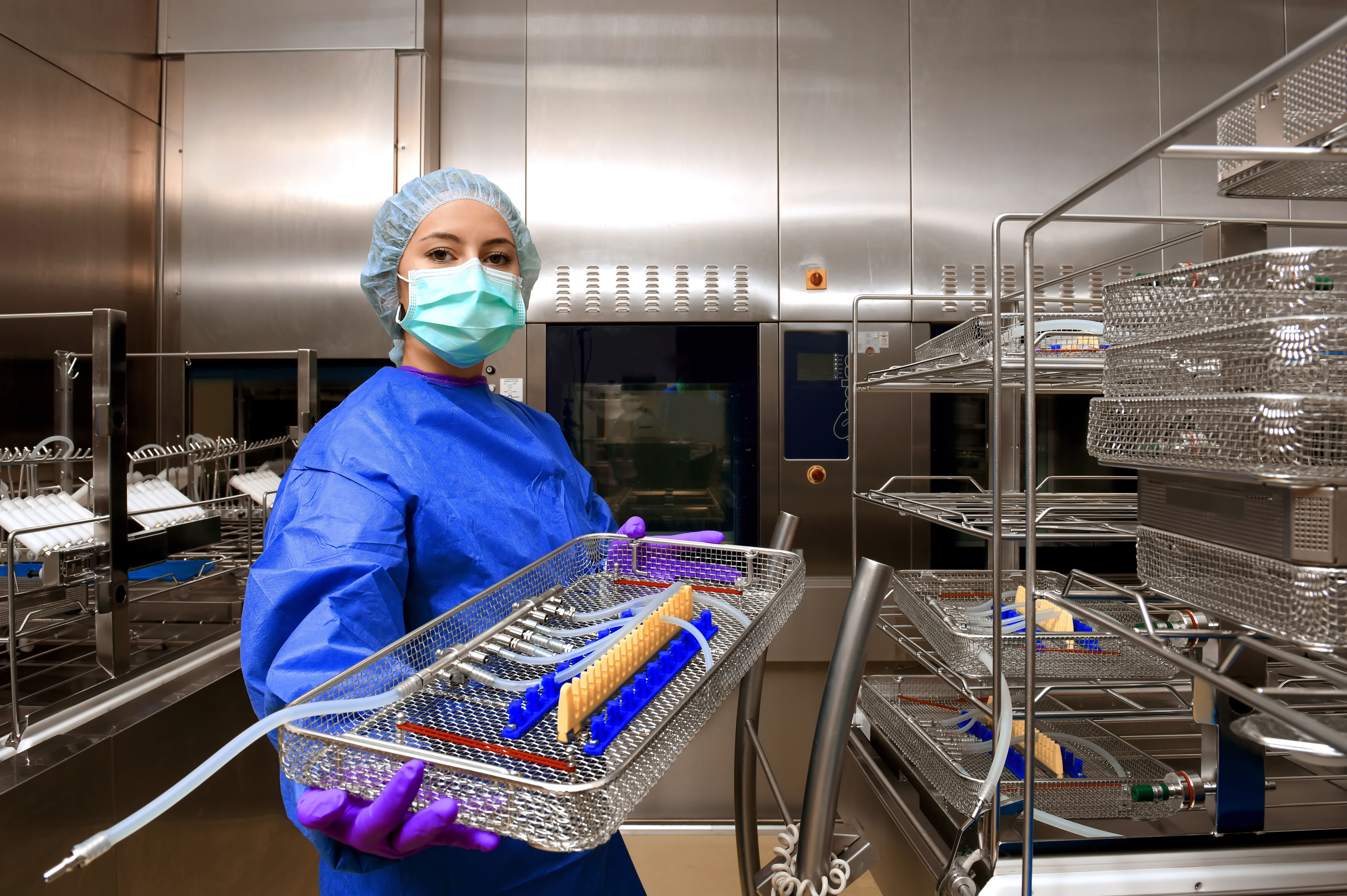
Effective surgery cleaning involves several key areas within the operating room. These include the immediate surgical site, all tools and instruments, and the general environment. Each of these areas requires specific attention to detail and adherence to established cleaning protocols.
For instance, surgical instruments must be sterilized using high-temperature steam or chemical disinfectants, ensuring all pathogens are eradicated. Meanwhile, the operating room's floors, walls, and surfaces need regular disinfection to eliminate any microbial presence.
Daily and Terminal Cleaning
Surgical cleaning is categorized into daily and terminal routines. Daily cleaning involves routine sanitization performed between surgeries and at the end of each day, focusing on high-touch surfaces and equipment. Terminal cleaning is a more thorough process, usually conducted at the end of the day, aimed at removing all potential contaminants.
Implementing Effective Cleaning Protocols
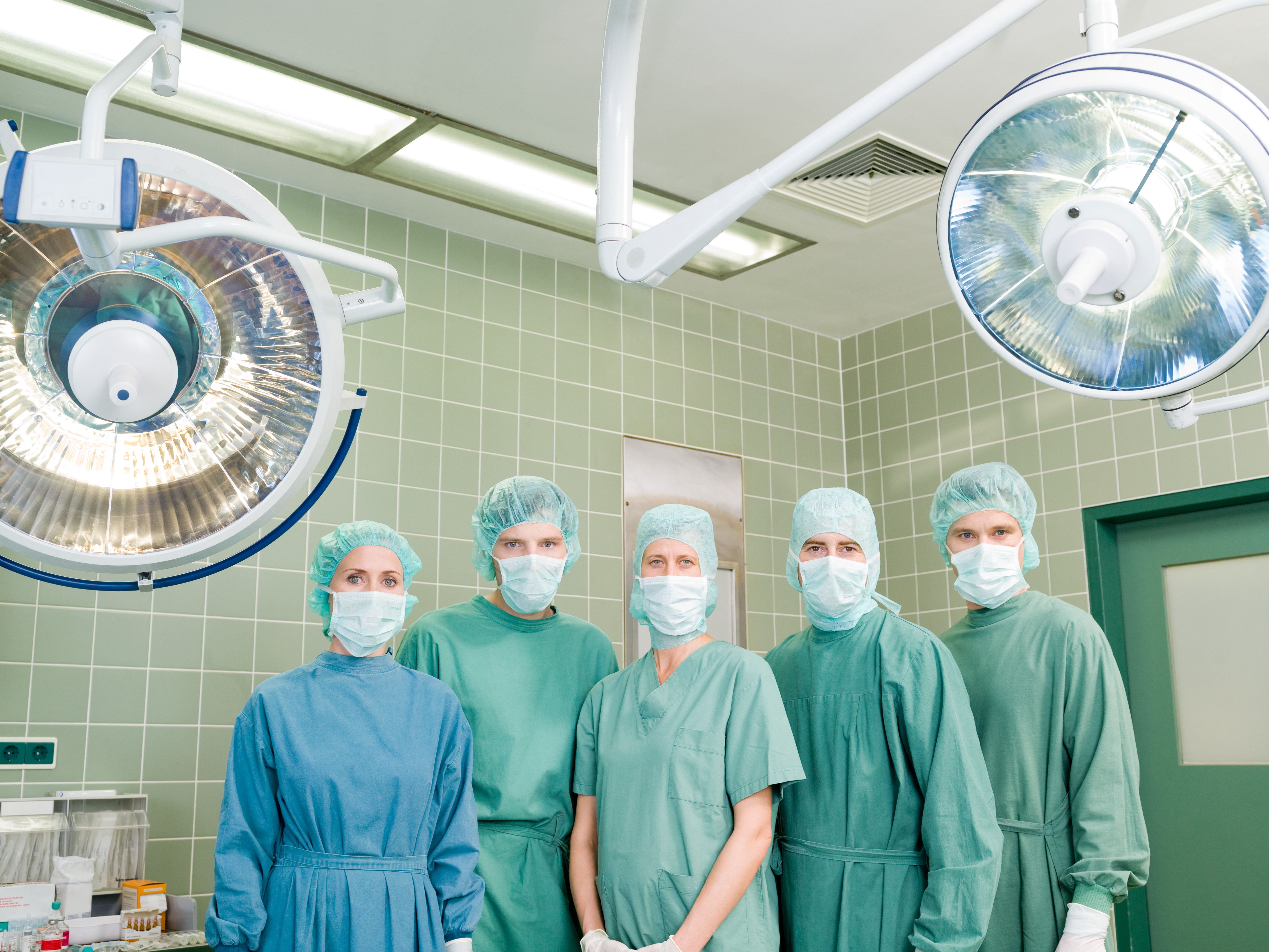
To maintain high hygiene standards, medical facilities must implement effective cleaning protocols. These protocols should be based on guidelines from reputable health organizations such as the CDC and WHO. They should also be tailored to the specific needs and layout of each facility.
Training and educating staff are vital components of successful protocol implementation. Regular workshops and refresher courses can help ensure that all team members are aware of the latest cleaning techniques and products.
Utilizing Advanced Cleaning Technologies
In recent years, advanced cleaning technologies have emerged, enhancing the efficacy of surgical cleaning. These include UV light disinfection, electrostatic sprayers, and automated cleaning robots. Such technologies can reach areas that manual cleaning might miss, further reducing the risk of infection.
Monitoring and Evaluation
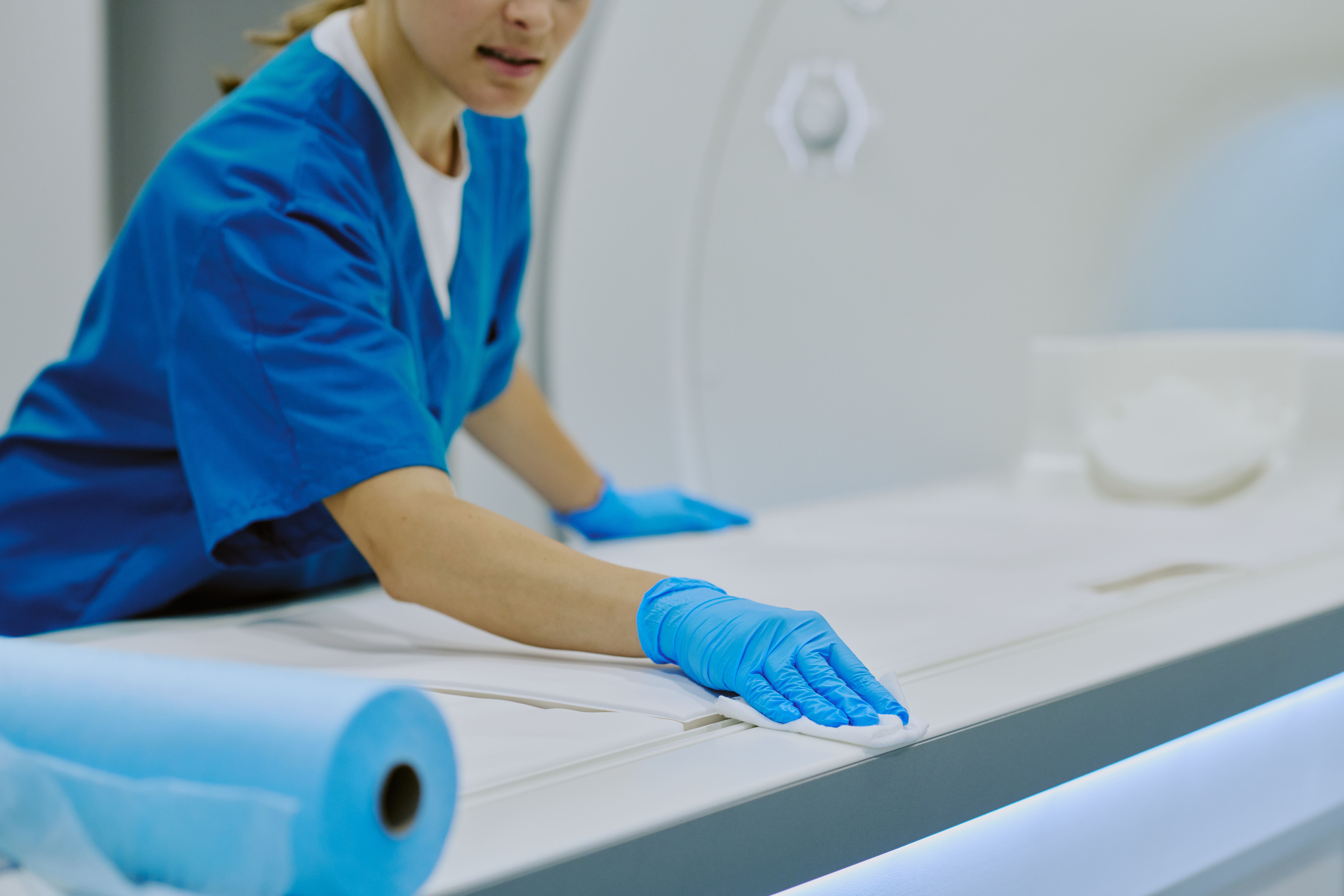
Regular monitoring and evaluation of cleaning practices are essential to maintain high standards. This involves routine inspections and audits to ensure compliance with established protocols. Feedback from these evaluations can guide continuous improvement in cleaning procedures.
Documentation plays a key role in this process, providing a record of cleaning activities and allowing for traceability and accountability. It also helps identify any areas that may require additional attention or adjustment.
Conclusion
Maintaining high hygiene standards in surgical environments is a complex but essential task. By implementing rigorous cleaning protocols, utilizing advanced technologies, and ensuring continuous staff training, medical facilities can significantly reduce the risk of infections and promote patient safety.