Surgery Cleaning: Maintaining High Standards of Hygiene
Understanding the Importance of Surgical Cleanliness
Maintaining high standards of hygiene in surgical environments is crucial for patient safety and successful outcomes. The risk of infection is significantly reduced when proper cleaning protocols are followed. In surgical settings, meticulous attention to hygiene is not just a best practice but a necessity.
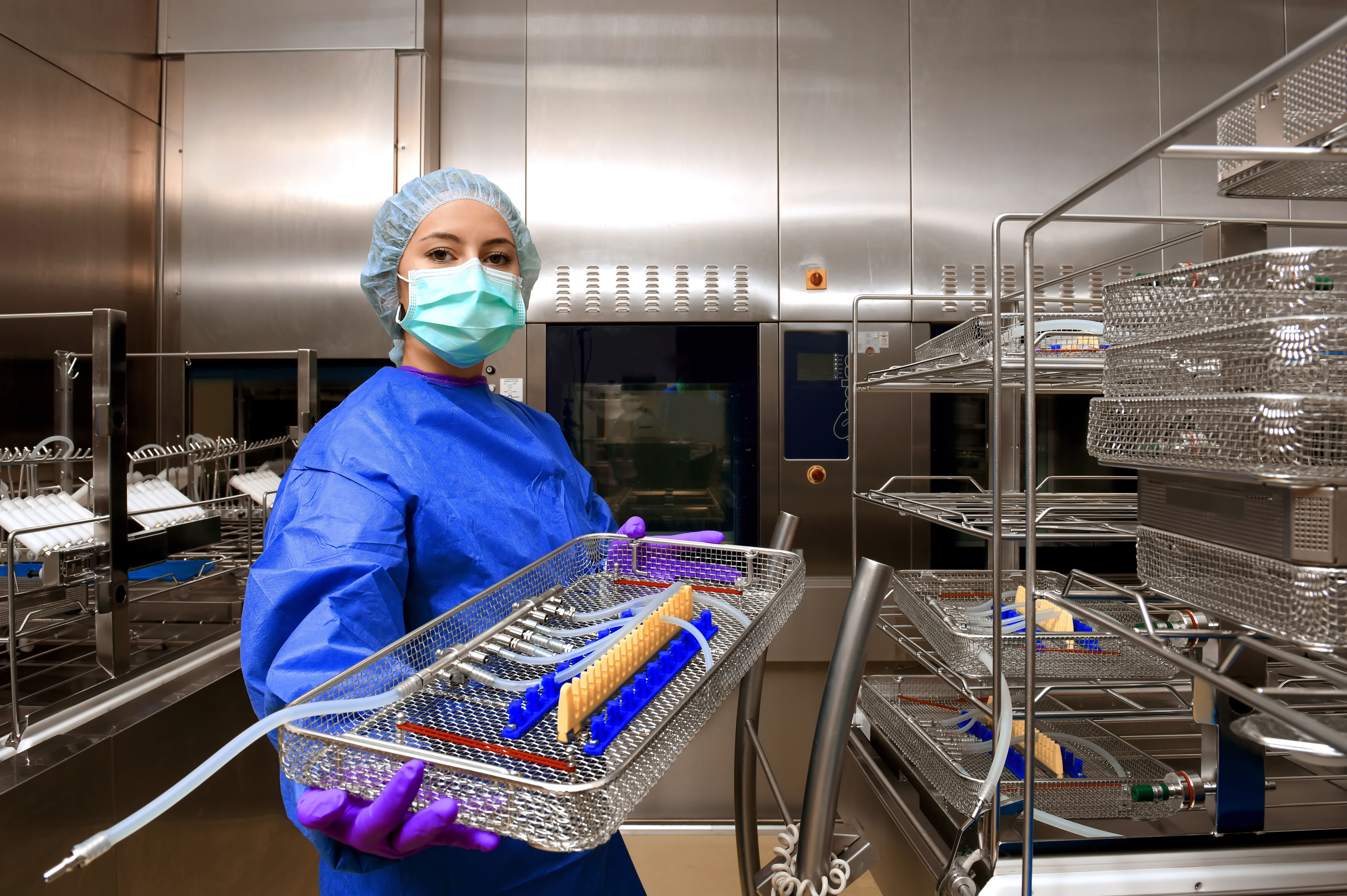
Healthcare-associated infections (HAIs) can have severe consequences, both for patients and healthcare facilities. These infections are preventable, and one of the most effective preventive measures is thorough and consistent cleaning.
Essential Cleaning Protocols
Adhering to strict cleaning protocols ensures that surgical areas remain sterile and safe. Key practices include:
- Pre-surgical Cleaning: Preparing the operating room with antimicrobial solutions.
- Post-surgical Cleaning: Disinfecting all surfaces and equipment immediately after a procedure.
- Regular Deep Cleaning: Scheduled deep cleaning to maintain overall hygiene.
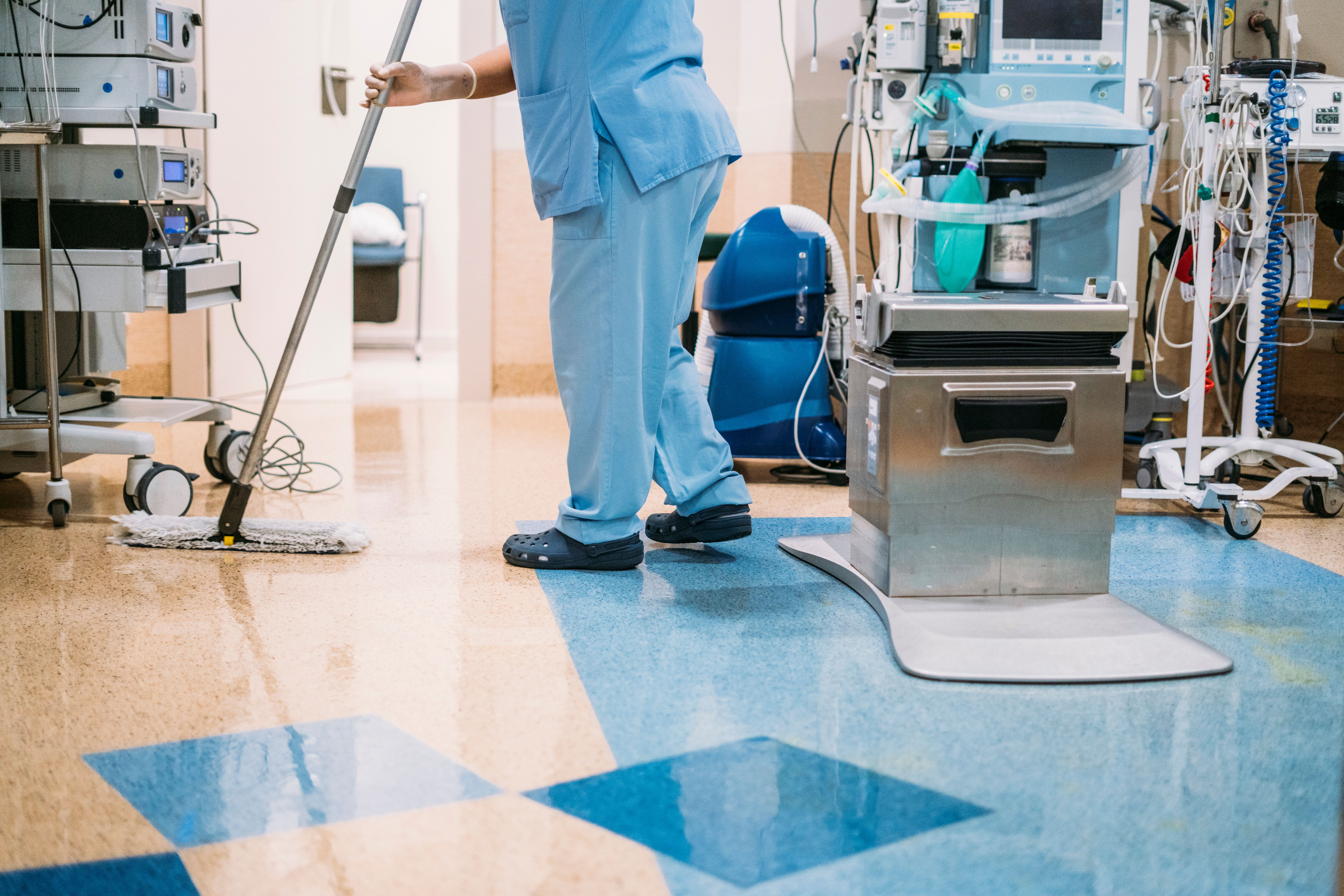
Implementing a structured cleaning schedule helps in maintaining consistency, ensuring no area is overlooked. This systematic approach is vital for minimizing the risk of infection.
Choosing the Right Cleaning Products
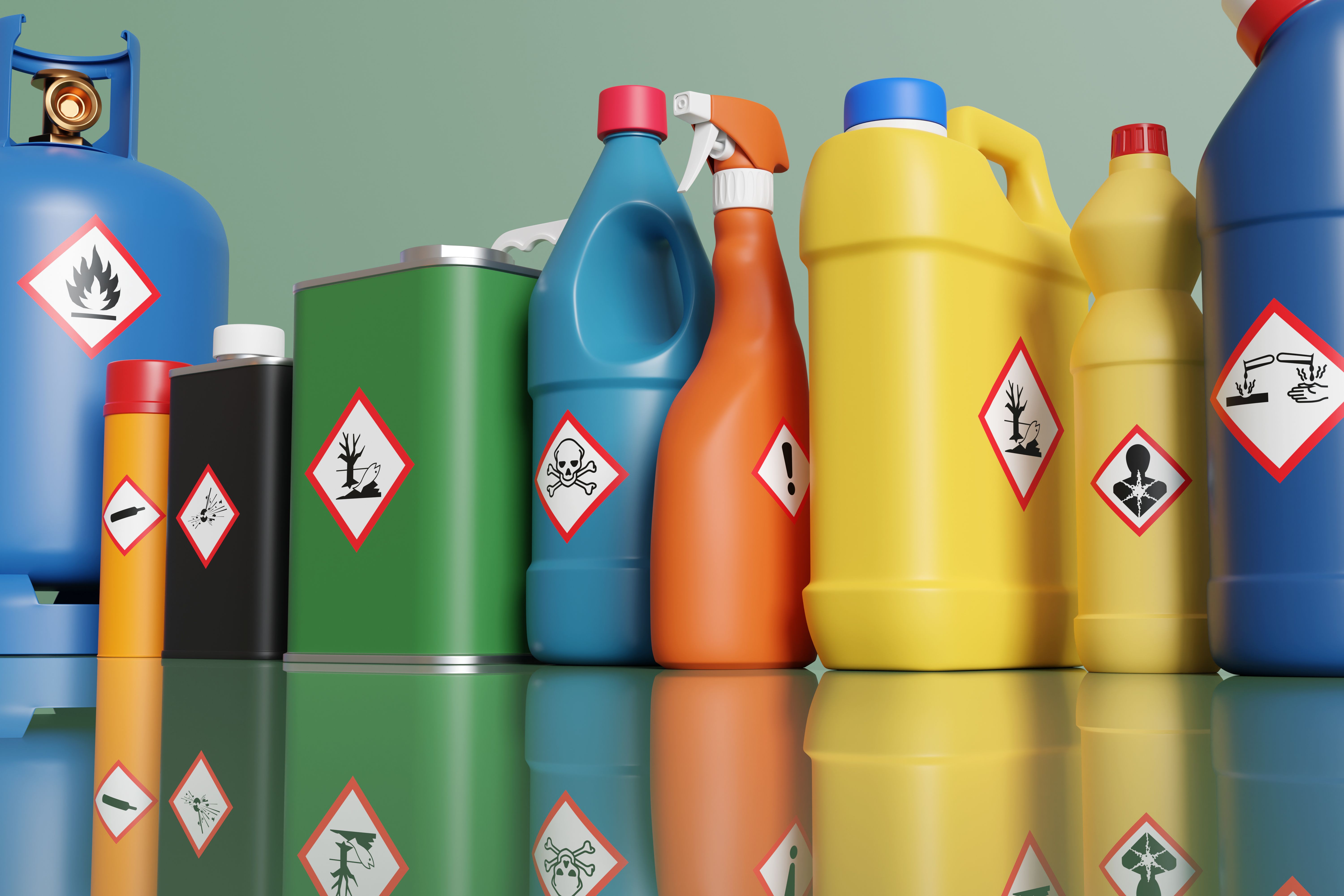
The selection of cleaning products plays a critical role in maintaining hygiene. It's important to choose products that are effective yet safe for use in sensitive environments. Considerations include:
- Antimicrobial Efficacy: Products should effectively eliminate a wide range of pathogens.
- Residue-Free Formulas: Avoiding products that leave harmful residues.
- Material Compatibility: Ensuring products are safe for use on all surfaces and equipment.
Using the right products not only ensures cleanliness but also protects the integrity of surgical instruments and equipment.
Training and Compliance
Effective cleaning practices require well-trained staff who understand the importance of their role. Regular training sessions and compliance checks help in maintaining high standards. Training should cover:
- Proper Cleaning Techniques: Ensuring staff are familiar with the latest cleaning methods.
- Safety Protocols: Understanding the use of personal protective equipment (PPE) and safe handling of cleaning agents.
- Compliance Monitoring: Regular audits and feedback to maintain standards.
Investing in training not only enhances staff performance but also contributes to a safer surgical environment.
Innovations in Surgical Cleaning
The field of surgical cleaning is continually evolving with new technologies and methods. Innovations such as UV light disinfection and automated cleaning systems are becoming increasingly popular. These technologies offer:
- Enhanced Sterilization: Providing deeper and more thorough cleaning.
- Efficiency: Reducing the time required for manual cleaning.
- Consistency: Ensuring uniform application of cleaning protocols.
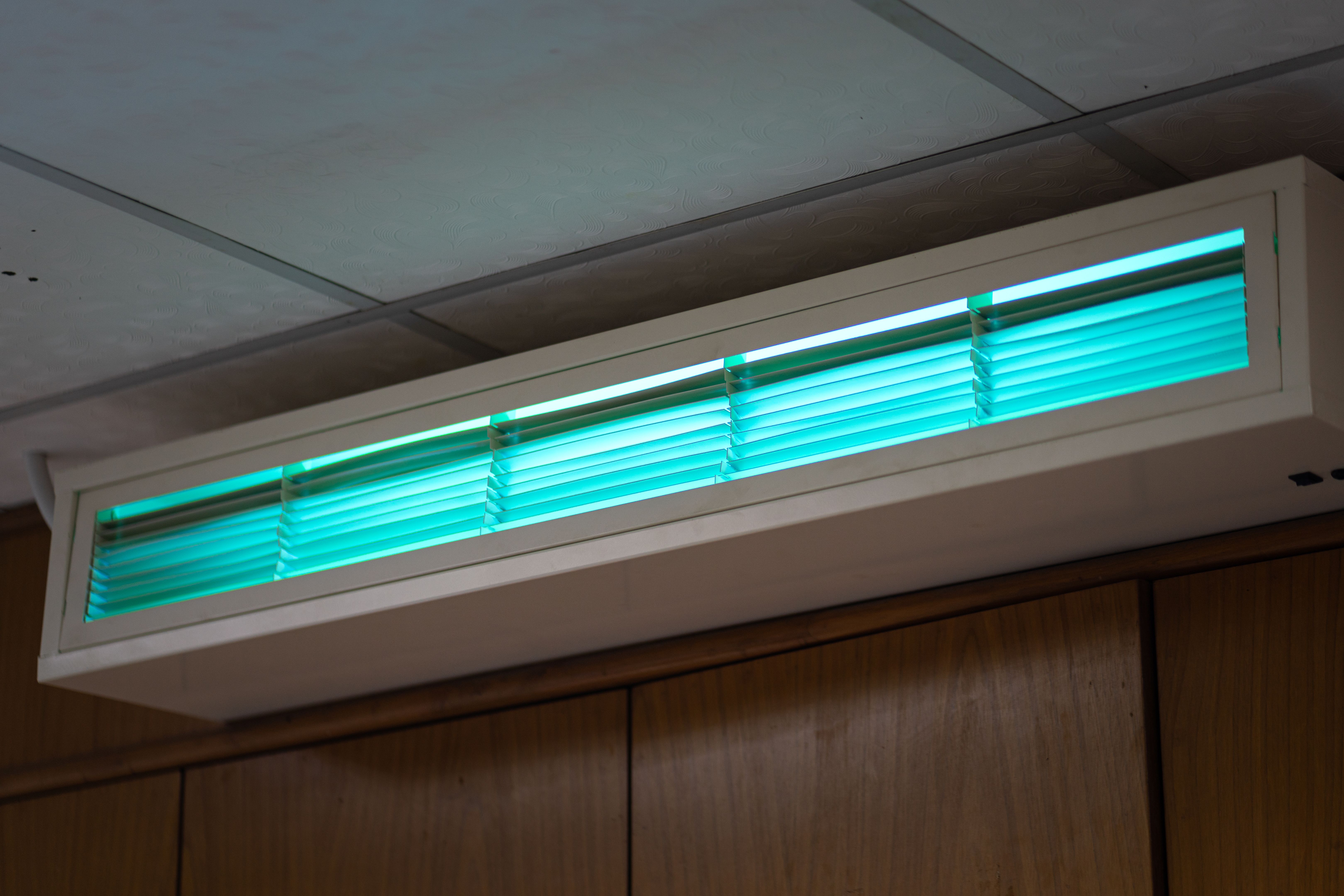
Embracing these innovations can significantly boost hygiene standards and operational efficiency in surgical settings.
In conclusion, maintaining high standards of hygiene in surgery is vital for patient safety and the success of medical procedures. By implementing stringent cleaning protocols, choosing the right products, and investing in staff training and technology, healthcare facilities can ensure a safe and sterile environment. This commitment to cleanliness not only enhances patient care but also upholds the reputation and reliability of the healthcare institution.