Surgery Cleaning: Meeting High-Standard Hygiene Requirements in Medical Facilities
Understanding the Importance of Surgical Cleaning
In the realm of medical facilities, maintaining high-standard hygiene is not just a preference but a necessity. Ensuring a sterile environment in surgical areas is critical to prevent infections and ensure patient safety. The meticulous process of surgical cleaning involves removing all forms of contamination, including bacteria, viruses, and other pathogens.
Medical professionals rely heavily on sanitation protocols to minimize the risk of infection. This responsibility underscores the importance of using effective cleaning techniques and state-of-the-art equipment. Failure to adhere to these standards can lead to severe consequences, including life-threatening infections and compromised patient care.
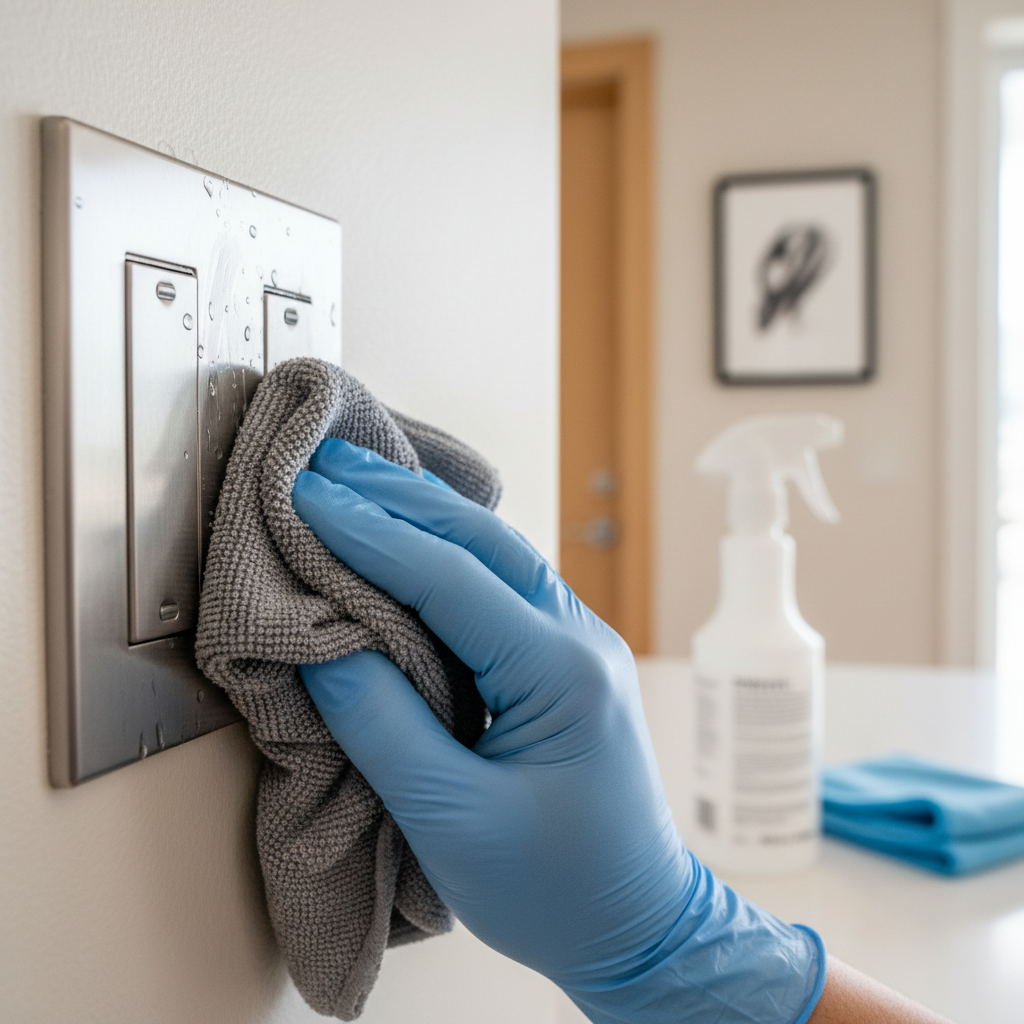
Key Components of Surgical Cleaning
Pre-Operative Cleaning Procedures
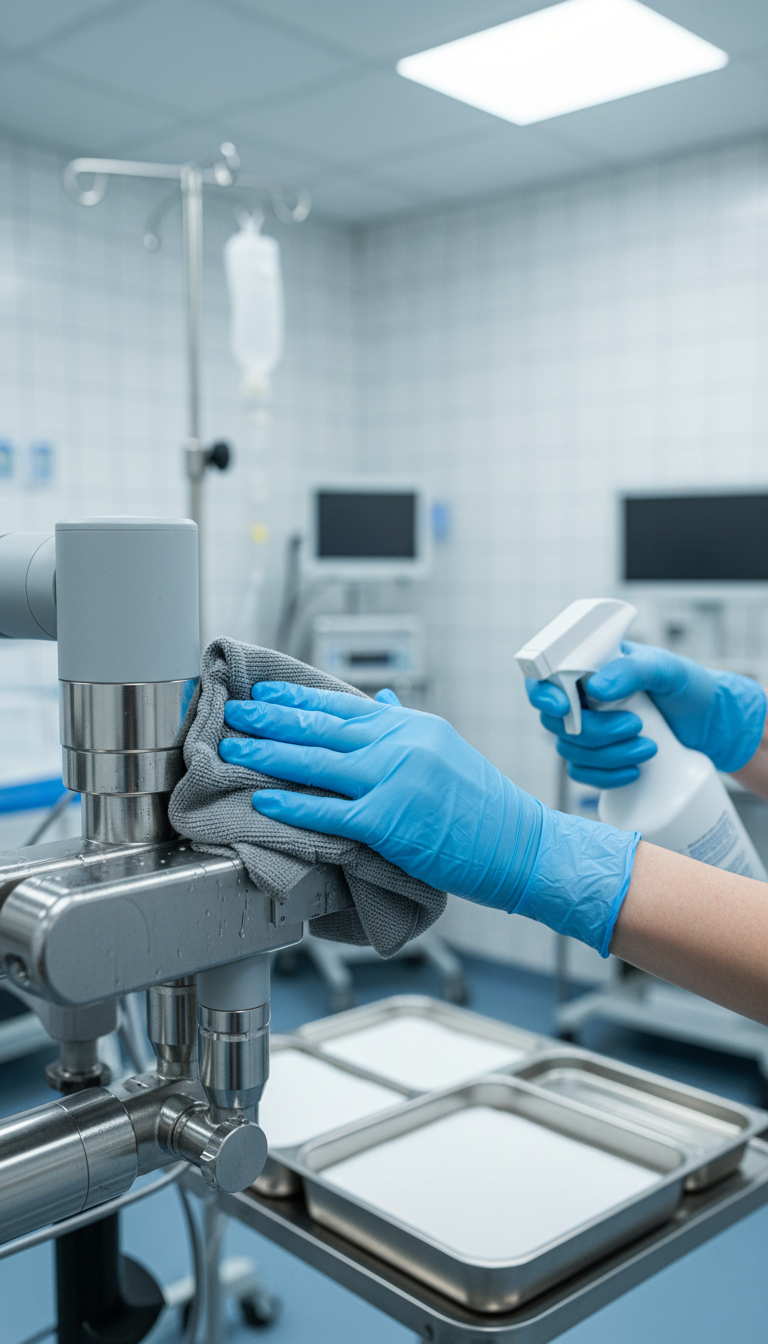
Before any surgical procedure, the operating room must be thoroughly cleaned and disinfected. This involves sanitizing all surfaces, equipment, and tools that might come into contact with the surgical site. Specialized cleaning agents designed to eradicate harmful microorganisms are essential in this process.
Post-Operative Cleaning and Disinfection
After surgery, the cleaning process must be repeated to ensure that any remaining pathogens are eliminated. Post-operative cleaning is critical in preventing cross-contamination and ensuring that the facility is ready for the next procedure. This step includes waste disposal, surface disinfection, and sterilization of reusable instruments.
Technological Advancements in Hygiene Practices
The advent of new technologies has greatly enhanced the efficiency and effectiveness of surgical cleaning procedures. Innovations such as UV disinfection, fogging systems, and automated cleaning devices have become integral in maintaining hygiene standards. These technologies help reduce human error and ensure a consistent level of cleanliness.
Moreover, the integration of data-driven solutions allows healthcare facilities to monitor and manage their cleaning protocols more effectively. By leveraging such tools, medical centers can ensure compliance with hygiene regulations and continuously improve their sanitation processes.
Training and Compliance
A critical aspect of maintaining high hygiene standards is ensuring that all staff members are adequately trained in cleaning protocols. Regular training sessions help reinforce the importance of hygiene practices and update staff on new techniques and technologies. Compliance with established guidelines not only protects patients but also enhances the reputation of the facility.
Healthcare facilities must conduct regular audits to ensure that hygiene standards are consistently met. These audits provide valuable insights into areas that require improvement and help maintain accountability among staff members.
Conclusion
Meeting high-standard hygiene requirements in surgical settings is a multifaceted challenge that demands attention to detail, advanced technology, and continuous education. By prioritizing these elements, medical facilities can safeguard patient health and uphold the highest standards of care. The ongoing commitment to excellence in surgical cleaning is a crucial component in the broader mission of delivering safe and effective healthcare.