Surgery Cleaning: Meeting High Standards in Medical Environments
Understanding the Importance of Surgery Cleaning
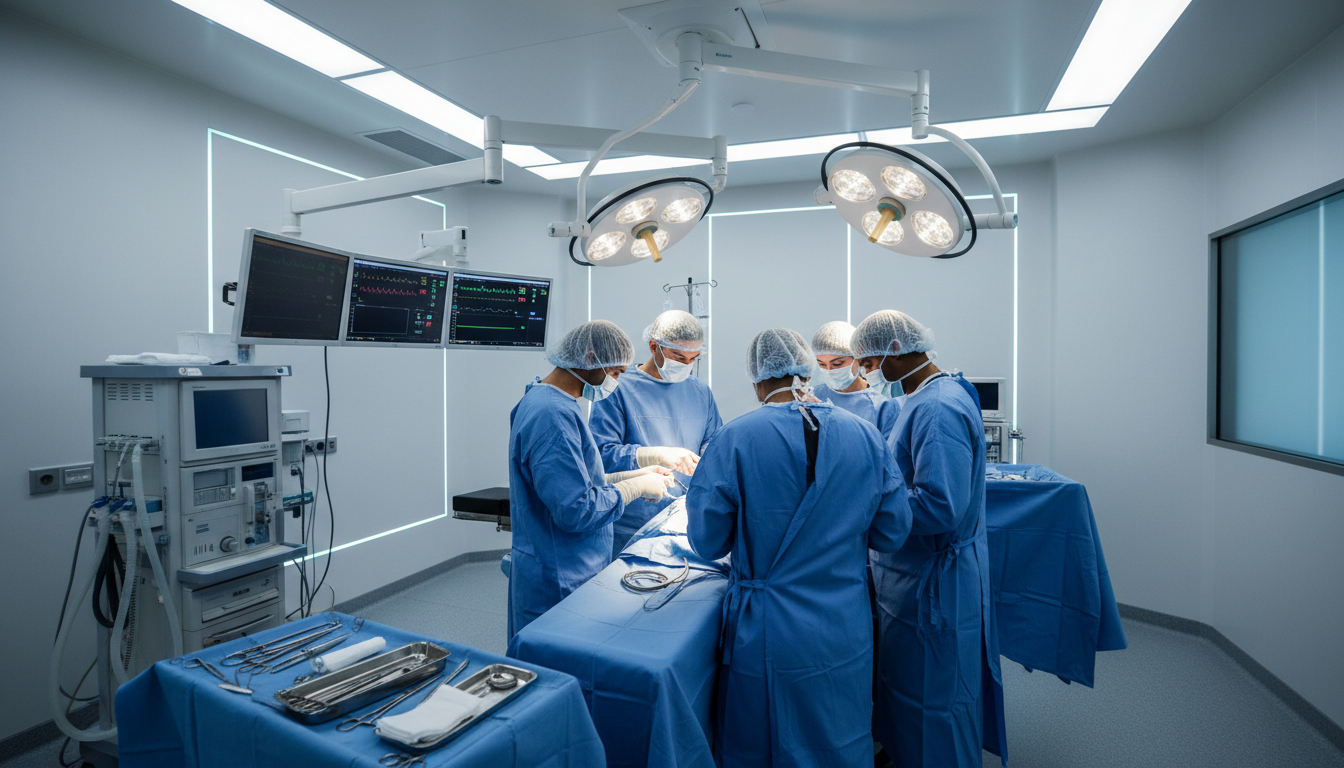
In medical environments, maintaining a sterile environment is crucial. Surgery cleaning plays a vital role in preventing infections, ensuring patient safety, and maintaining the credibility of healthcare institutions. Proper cleaning practices are essential to meet the high standards set by health organizations.
Key Standards and Protocols
Healthcare facilities must adhere to rigorous cleaning protocols. These protocols are designed to eliminate pathogens and reduce the risk of contamination. They include guidelines on the types of disinfectants to use, cleaning frequency, and methods for different areas.
The World Health Organization (WHO) and the Centers for Disease Control and Prevention (CDC) provide comprehensive guidelines. Compliance with these standards is not only a legal obligation but a moral one, ensuring the highest level of care for patients.
Essential Cleaning Processes
Surgery cleaning involves several critical processes. These include:
- Pre-operative Cleaning: Ensuring the surgical area is sterile before any procedure begins.
- Intra-operative Cleaning: Maintaining cleanliness during the surgery to prevent contamination.
- Post-operative Cleaning: Thorough cleaning and disinfection after the procedure to prepare for the next use.
Choosing the Right Disinfectants
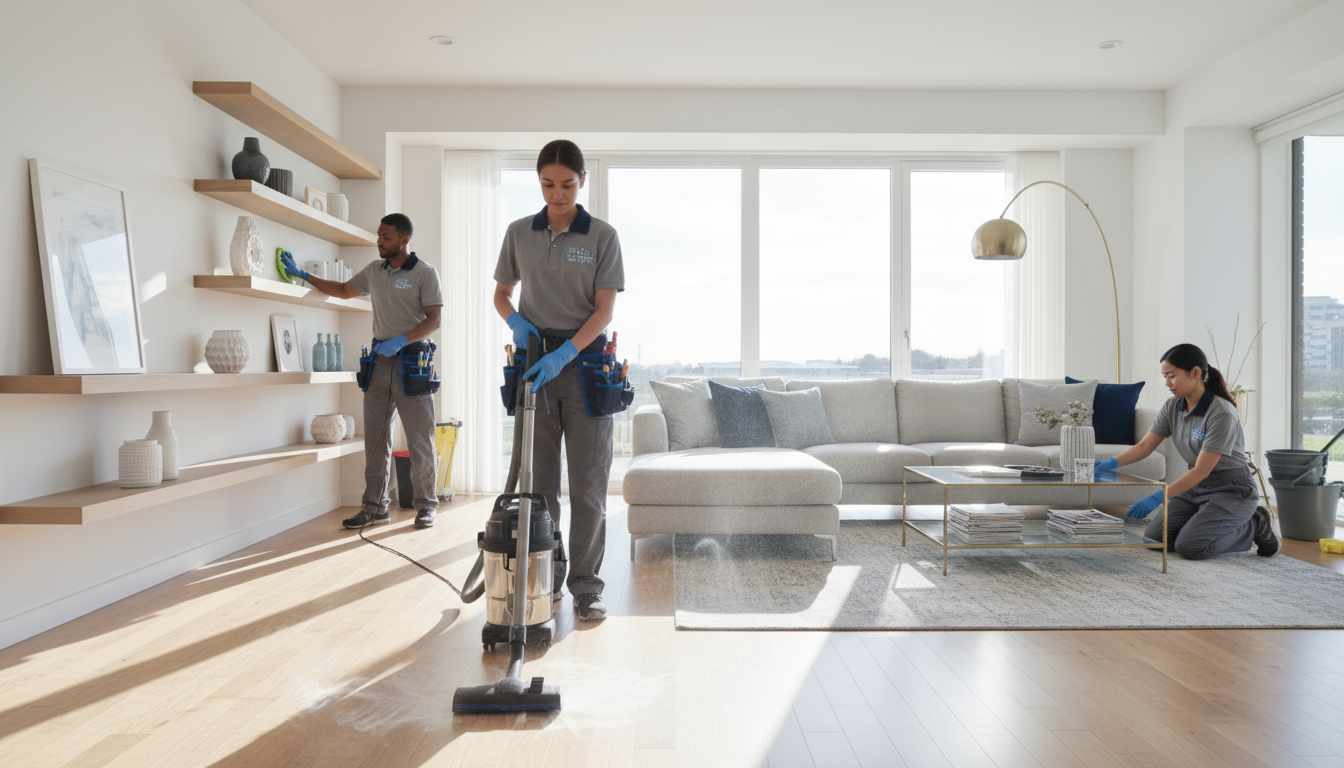
The choice of disinfectants is crucial in surgery cleaning. Effective disinfectants must eliminate a wide range of pathogens while being safe for use in a medical environment. Quaternary ammonium compounds, hydrogen peroxide-based solutions, and chlorine-based products are commonly used.
Regular training ensures that cleaning staff are knowledgeable about the proper use of these substances, maximizing their effectiveness while ensuring safety.
Training and Education for Cleaning Staff
Ongoing training and education for cleaning staff are paramount. They must be well-versed in the latest cleaning techniques and protocols. This includes understanding how to properly use cleaning equipment, handle hazardous materials, and implement infection control measures.

Technological Advancements in Cleaning
Advancements in technology have introduced new tools and methods for surgery cleaning. Automated cleaning systems, UV light disinfection, and antimicrobial surfaces are examples of innovations enhancing cleaning efficiency and effectiveness.
These technologies not only improve the thoroughness of cleaning but also reduce the time required, allowing for quicker turnaround between surgeries.
Challenges and Solutions
Despite the best efforts, challenges such as resource limitations, human error, and evolving pathogens can impact surgery cleaning. Continuous improvement strategies, such as regular audits and feedback systems, help address these challenges.
Collaboration among healthcare professionals, cleaning staff, and management is essential to overcome these obstacles and ensure a consistently high standard of cleanliness.
The Future of Surgery Cleaning
As medical environments continue to evolve, so too will the field of surgery cleaning. Emphasizing innovation, continuous training, and adherence to updated protocols will be key to meeting future challenges.
By prioritizing surgery cleaning, healthcare facilities can ensure safer surgical outcomes and enhance their reputation in providing top-tier medical care.