Surgery Cleaning: Meeting Hygiene Standards in Medical Settings
Understanding the Importance of Surgical Cleaning
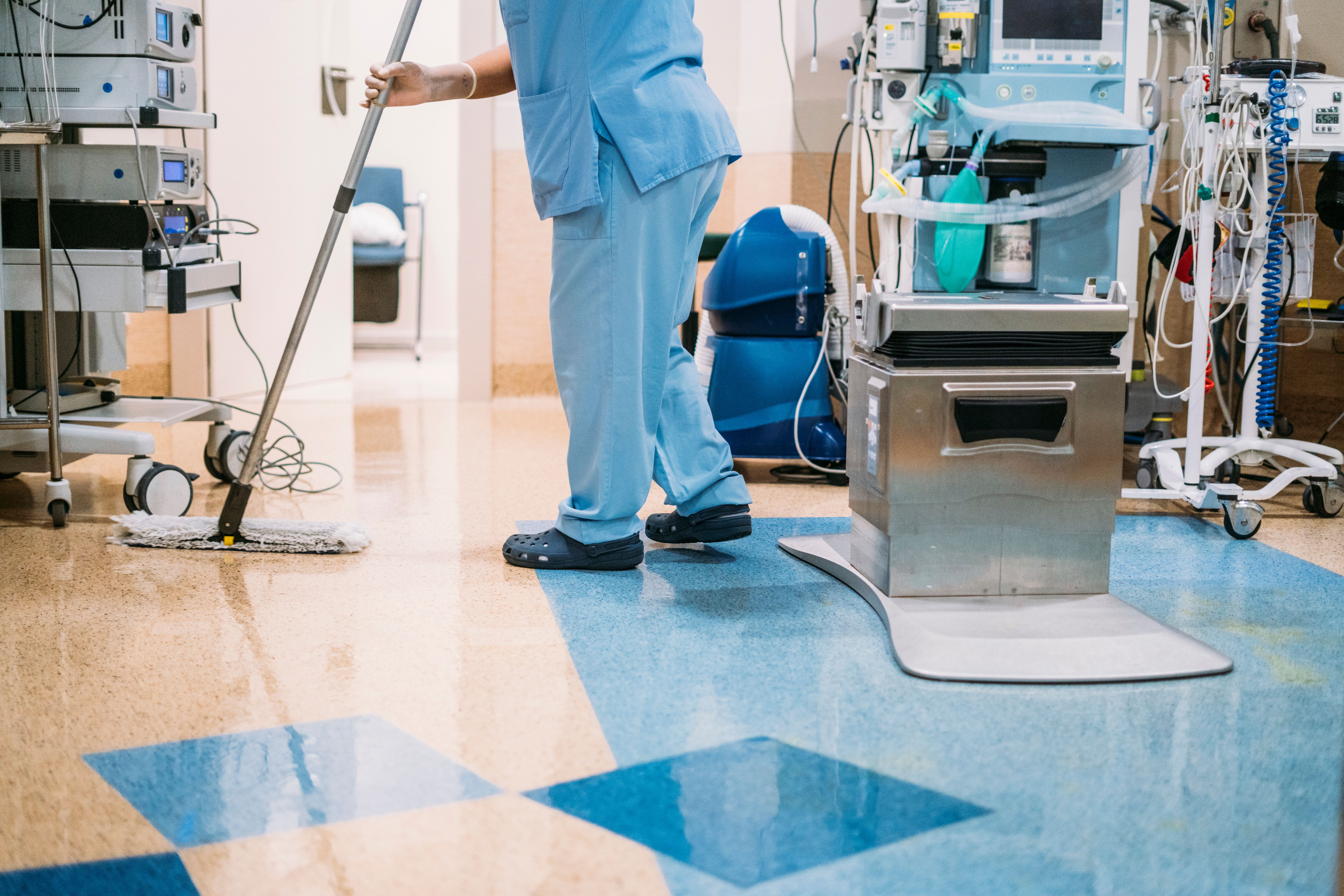
In medical settings, maintaining impeccable hygiene standards is crucial. Surgery cleaning is not just about aesthetics; it's about preventing infections and ensuring patient safety. The sterile environment required in operating rooms demands rigorous cleaning protocols to meet hygiene standards.
The importance of maintaining a germ-free environment cannot be overstated. Hospitals and clinics must adhere to strict guidelines to prevent the spread of infections. This involves thorough cleaning and disinfection of all surfaces and equipment used during surgical procedures.
Key Components of Effective Surgery Cleaning
Effective surgery cleaning involves several key components. These include the use of appropriate cleaning agents, adherence to cleaning protocols, and regular staff training. Using the right disinfectants helps eliminate pathogens that can cause infections.
Adhering to established cleaning protocols ensures consistency and thoroughness in maintaining hygiene standards. Regular staff training is essential to keep everyone updated on the latest cleaning techniques and protocols, ensuring the safety of patients and staff alike.
Cleaning Agents and Disinfectants
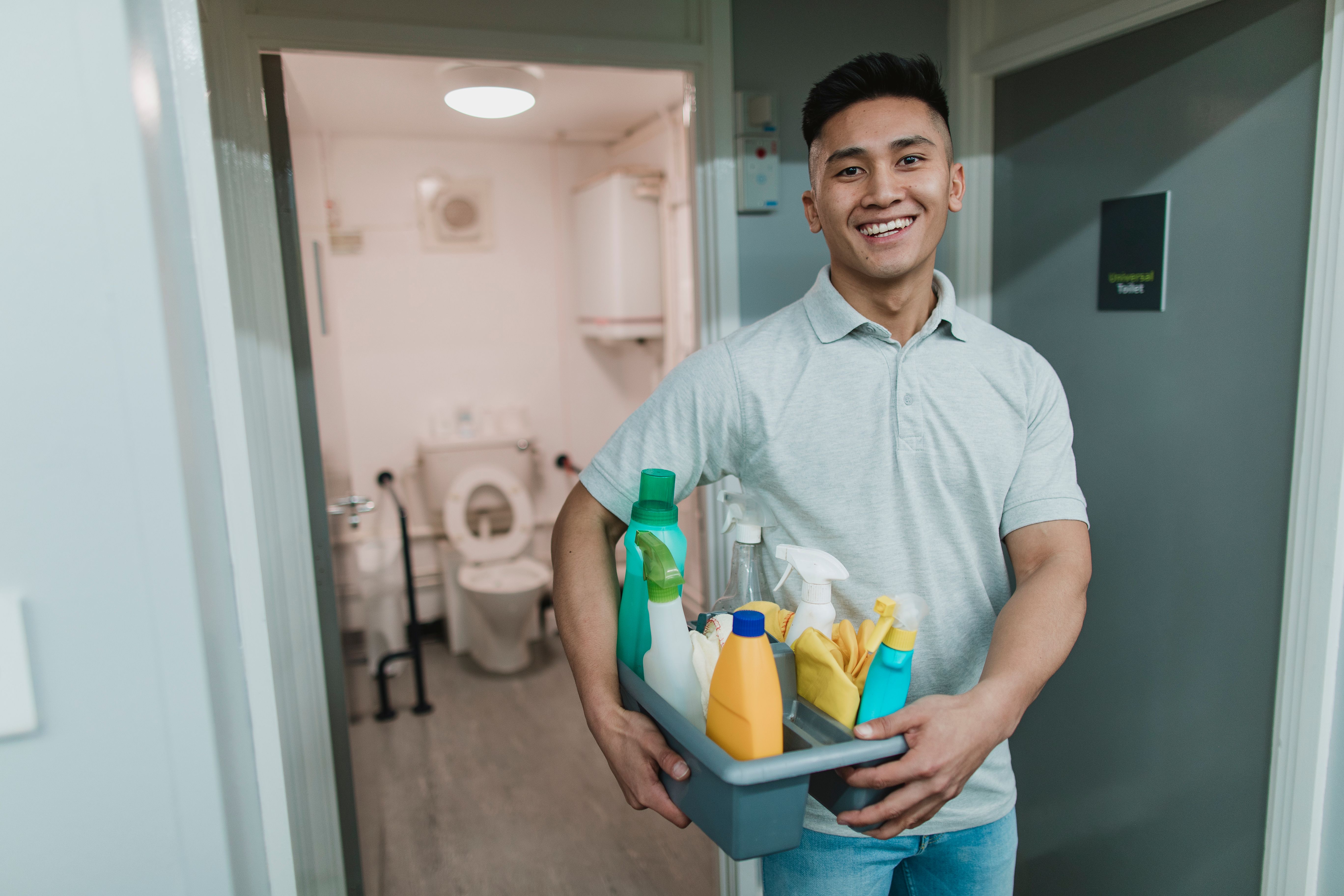
The choice of cleaning agents and disinfectants plays a significant role in maintaining a sterile environment. Hospitals are encouraged to use EPA-approved products that are effective against a wide range of pathogens. It's vital to follow the manufacturer's instructions for dilution and contact time to achieve maximum efficacy.
Protocols and Procedures
Developing and implementing detailed cleaning protocols is essential for maintaining hygiene standards in surgical settings. These protocols should cover everything from daily cleaning routines to procedures following surgeries. Cleaning should be performed systematically, starting from the least contaminated areas to the most contaminated.
Regular audits and inspections help ensure compliance with these protocols. By identifying areas for improvement, medical facilities can continuously enhance their cleaning processes.
Staff Training and Compliance
Training is a critical component of successful surgery cleaning. All staff involved in the cleaning process should receive comprehensive training on the latest cleaning techniques and safety measures. This includes understanding the proper use of cleaning agents, personal protective equipment, and waste disposal methods.

Challenges in Maintaining Hygiene Standards
Despite the best efforts, maintaining hygiene standards in surgical settings can be challenging. Factors such as high patient turnover, limited resources, and staff shortages can impact cleaning effectiveness. It's crucial for healthcare facilities to address these challenges proactively to ensure consistent hygiene standards.
Investing in advanced cleaning technologies and equipment can also help overcome some of these challenges. Automated cleaning systems and UV disinfection are examples of innovations that enhance the cleaning process.
Continuous Improvement and Monitoring
Continuous improvement and monitoring are vital for maintaining high hygiene standards. Regular feedback and reviews help identify areas for improvement. By fostering a culture of continuous improvement, healthcare facilities can ensure the highest levels of cleanliness and safety.
Overall, surgery cleaning is a critical aspect of patient care that requires attention to detail, commitment, and ongoing education. By prioritizing hygiene standards, medical facilities can protect their patients and staff, ultimately leading to better health outcomes.