Surgery Cleaning Standards: Ensuring Hygiene in Medical Environments
Introduction to Surgical Cleaning Standards
Maintaining impeccable hygiene standards in medical environments is crucial for ensuring patient safety and preventing infections. In surgical settings, where the risks are particularly high, strict cleaning protocols are essential. These standards are designed to minimize the risk of contamination and ensure a sterile environment for all procedures.
The Importance of Sterility in Surgery
Sterility is the cornerstone of surgical hygiene. It involves the complete elimination of all microorganisms, including bacteria, viruses, fungi, and spores. Achieving this level of cleanliness requires a combination of proper cleaning techniques, disinfectants, and sterilization processes. Failure to maintain sterility can lead to postoperative infections, which may complicate recovery and endanger lives.
Critical Steps in Surgical Cleaning
There are several critical steps involved in surgical cleaning, each contributing to the overall hygiene of the environment. These steps include:
- Pre-cleaning: Removal of visible soil and debris from surfaces.
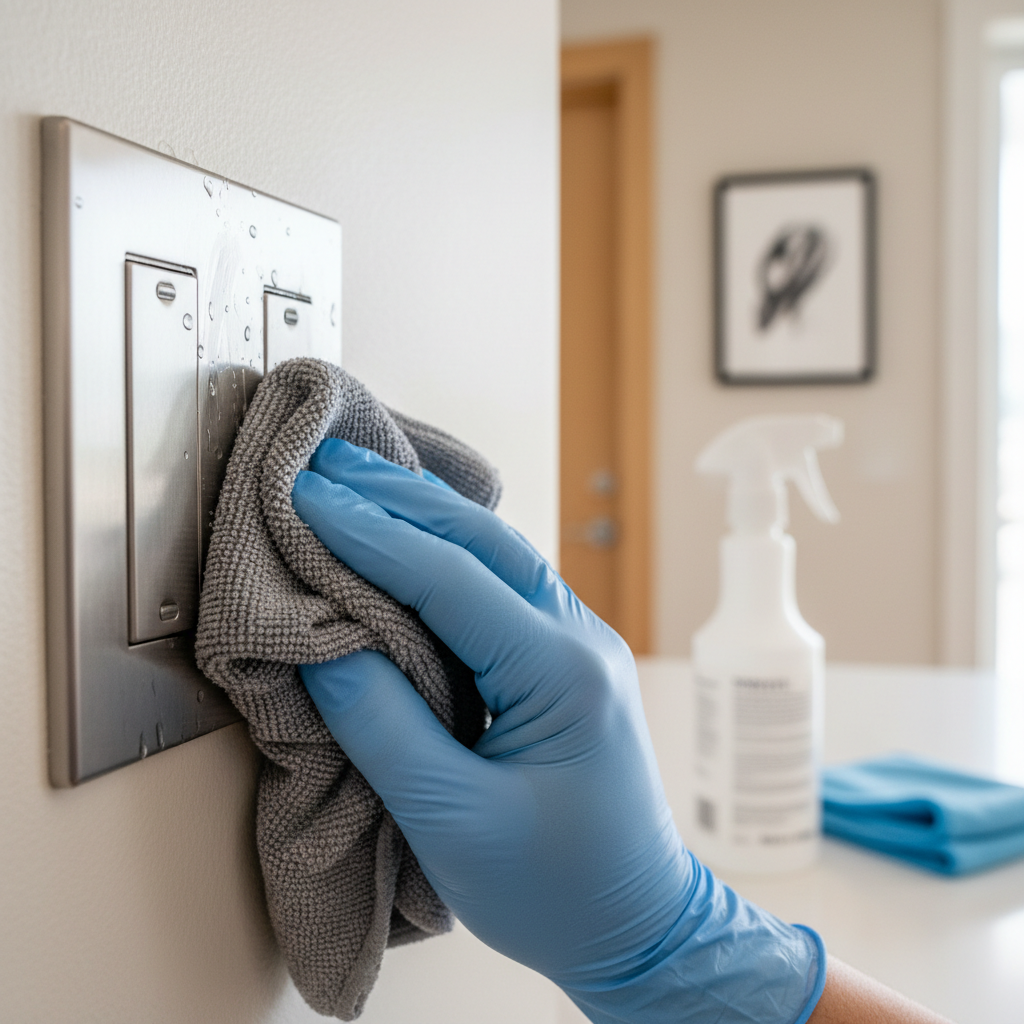
- Cleaning: Application of detergents and water to reduce microbial load.
- Disinfection: Use of chemical agents to kill remaining microorganisms.
- Sterilization: Complete eradication of all microbial life.
Equipment and Tools Maintenance
Ensuring the cleanliness of surgical equipment and tools is equally important. Instruments must be meticulously cleaned and sterilized before each use. Automated washers, ultrasonic cleaners, and autoclaves are commonly used to maintain instrument hygiene. Regular maintenance and validation of these devices are essential to guarantee their effectiveness.
Personnel Hygiene and Training
The role of medical personnel in maintaining surgical hygiene cannot be overstated. Proper training on hygiene protocols is vital for all staff members. This includes understanding hand hygiene techniques, wearing appropriate personal protective equipment (PPE), and adhering to sterile procedures. Regular refresher courses help reinforce these practices.

Monitoring and Quality Assurance
Continuous monitoring and quality assurance are crucial components of surgical cleaning standards. Regular inspections and audits help identify potential areas of improvement and ensure compliance with established protocols. Implementing a robust monitoring system can significantly enhance the effectiveness of hygiene practices.
Challenges and Innovations
Despite best efforts, challenges in maintaining surgical hygiene persist. Innovations in cleaning technologies, such as UV light sterilization and antimicrobial surfaces, are emerging as valuable tools in overcoming these challenges. Staying informed about the latest advancements helps medical facilities maintain high standards of cleanliness.
Conclusion
Ensuring hygiene in surgical environments is a complex but essential task. By adhering to rigorous cleaning standards, maintaining equipment, and investing in ongoing staff training and monitoring, medical facilities can provide a safer environment for patients and staff alike. Commitment to these practices ultimately leads to better health outcomes and enhanced trust in medical care.