The Importance of Surgery Cleaning: Ensuring High-Standard Hygiene in Medical Facilities
Understanding the Critical Role of Surgery Cleaning
Maintaining impeccable hygiene standards in medical facilities, particularly in operating rooms, is crucial for patient safety. Surgical procedures expose patients to potential infections, and the cleanliness of the environment plays a significant role in minimizing these risks. Effective surgery cleaning protocols ensure a sterile environment, preventing complications and promoting quicker recovery times.
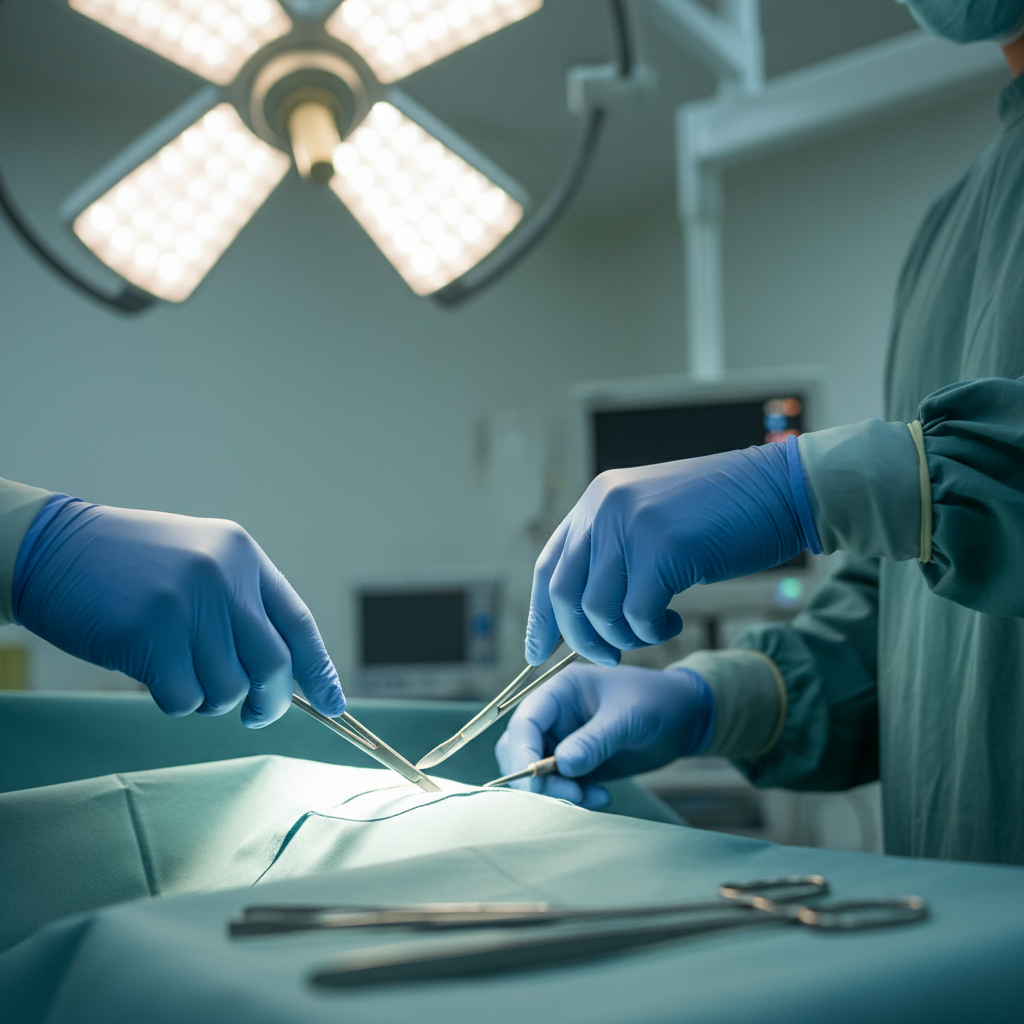
Operating rooms are high-traffic areas that require meticulous attention to detail. The complexity of surgical procedures and the variety of instruments used necessitate a comprehensive cleaning strategy that covers every surface and piece of equipment. This is where specialized cleaning teams come into play, equipped with the knowledge and tools to maintain a contamination-free environment.
The Steps in Effective Surgery Cleaning
Ensuring a high standard of hygiene in surgical environments involves a series of well-defined steps. These steps are designed to address different aspects of cleanliness, from surface disinfection to air quality management.
Pre-Surgery Cleaning
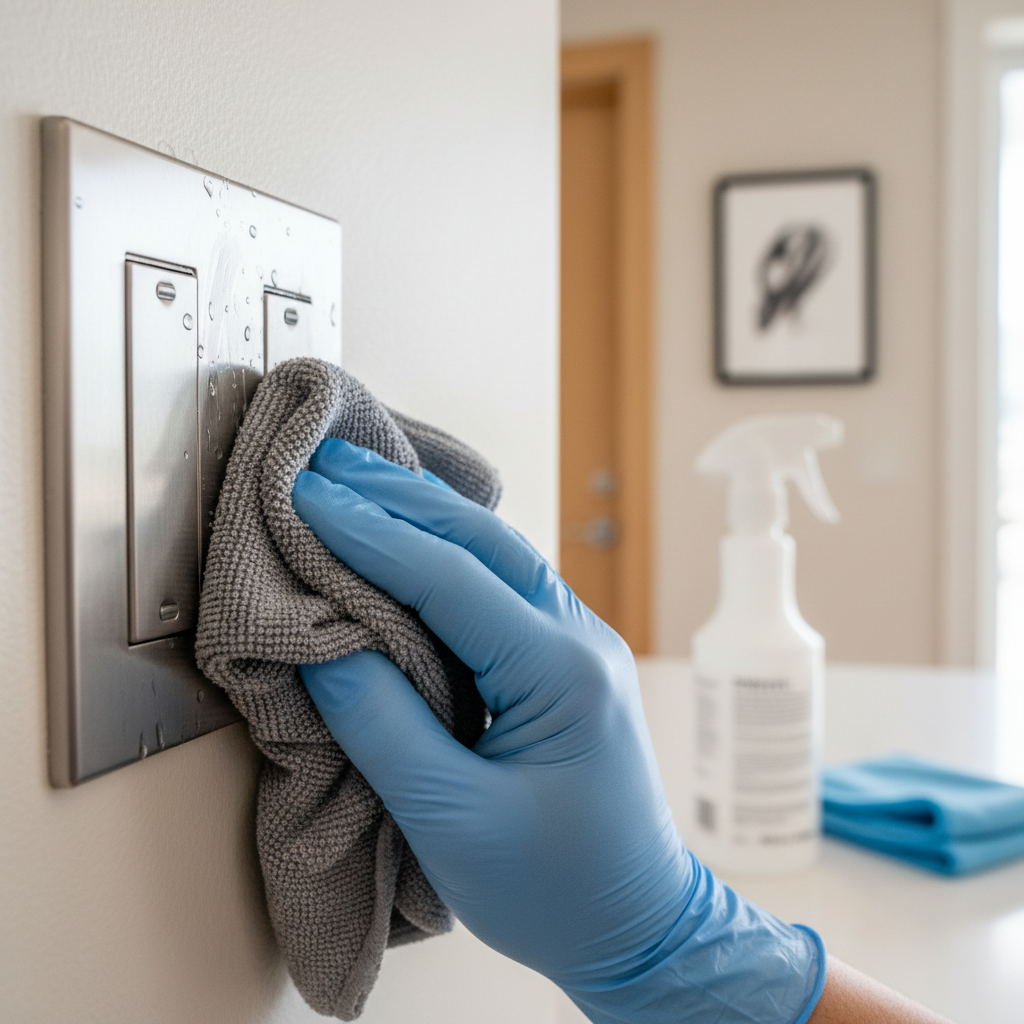
Before any surgical procedure, the operating room must be thoroughly cleaned and disinfected. This includes wiping down all surfaces, sterilizing instruments, and ensuring that air filtration systems are functioning correctly. The pre-surgery cleaning process sets the stage for a safe and sterile environment.

Post-Surgery Cleaning
After a surgical procedure, it is essential to clean and disinfect the operating room to remove any biological contaminants. This involves disposing of waste materials, disinfecting surfaces, and ensuring that all instruments are properly sterilized for future use. Post-surgery cleaning is crucial in preventing cross-contamination and maintaining overall hygiene standards.
The Benefits of Proper Surgery Cleaning
Implementing rigorous cleaning protocols in surgical environments offers numerous benefits. First and foremost, it significantly reduces the risk of infections, which can lead to severe complications for patients. Additionally, maintaining a clean operating room contributes to the overall success of surgical procedures and enhances patient recovery rates.
Moreover, high-standard hygiene practices in medical facilities build trust with patients and their families. Knowing that a hospital prioritizes cleanliness and safety reassures patients that they are in good hands, fostering a positive reputation for the facility.
Conclusion: A Commitment to Excellence
The importance of surgery cleaning cannot be overstated. It is a critical component of patient care that requires ongoing attention and commitment. By adhering to stringent cleaning protocols, medical facilities can ensure the safety and well-being of their patients, delivering the highest standard of healthcare.
Investing in specialized cleaning teams and advanced disinfection technologies further reinforces a facility's dedication to maintaining a safe surgical environment. As medical practices evolve, so too must the strategies for ensuring hygiene, making surgery cleaning an ever-important focus.