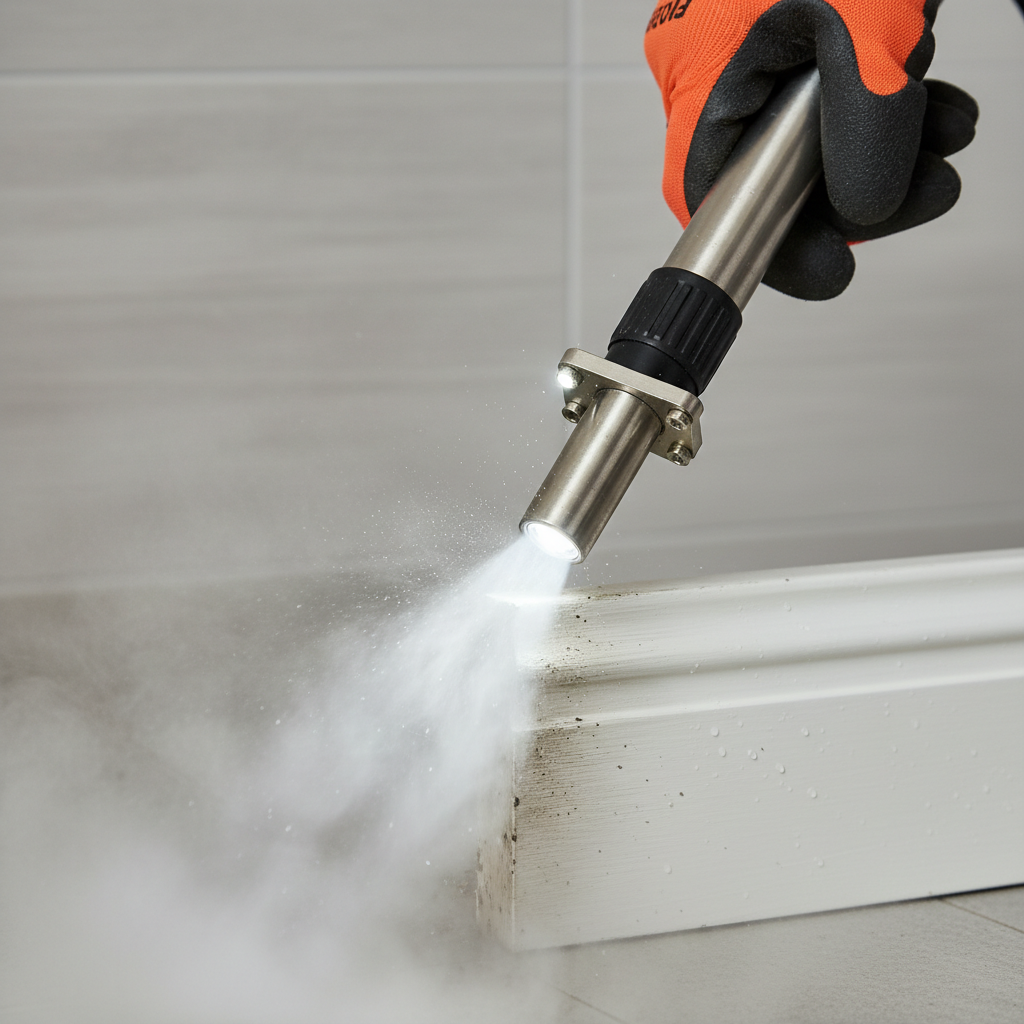
Understanding Surgery Cleaning: Hygiene Standards Explained
Understanding the Importance of Surgical Hygiene
Maintaining impeccable hygiene standards in surgical environments is crucial for the safety and well-being of patients and healthcare providers. The risk of infection is significantly minimized when strict cleaning protocols are adhered to in operating rooms and surgical suites.
Surgical cleaning involves a meticulous process that ensures all surfaces, instruments, and equipment are free from harmful pathogens. This not only includes visible dirt but also the microscopic bacteria and viruses that can lead to post-operative complications.
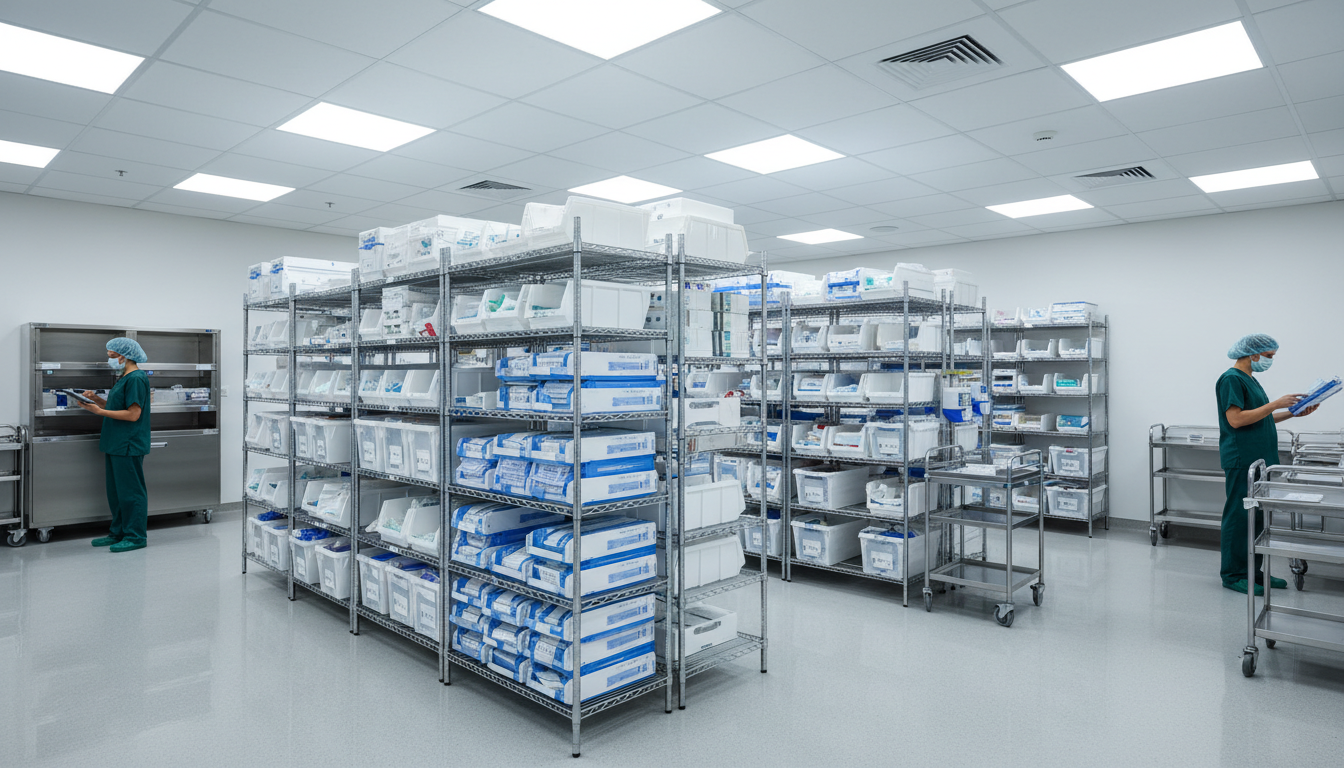
Key Components of Surgical Cleaning
Effective surgical cleaning is built on several key components, each playing a vital role in maintaining a sterile environment. Below are some essential aspects:
- Disinfection: The process of eliminating or reducing harmful microorganisms from surfaces and instruments.
- Sterilization: A more intensive process that kills all forms of microbial life, including spores, typically using heat or chemicals.
- Regular Monitoring: Continuous assessment of hygiene practices to ensure compliance with health standards.
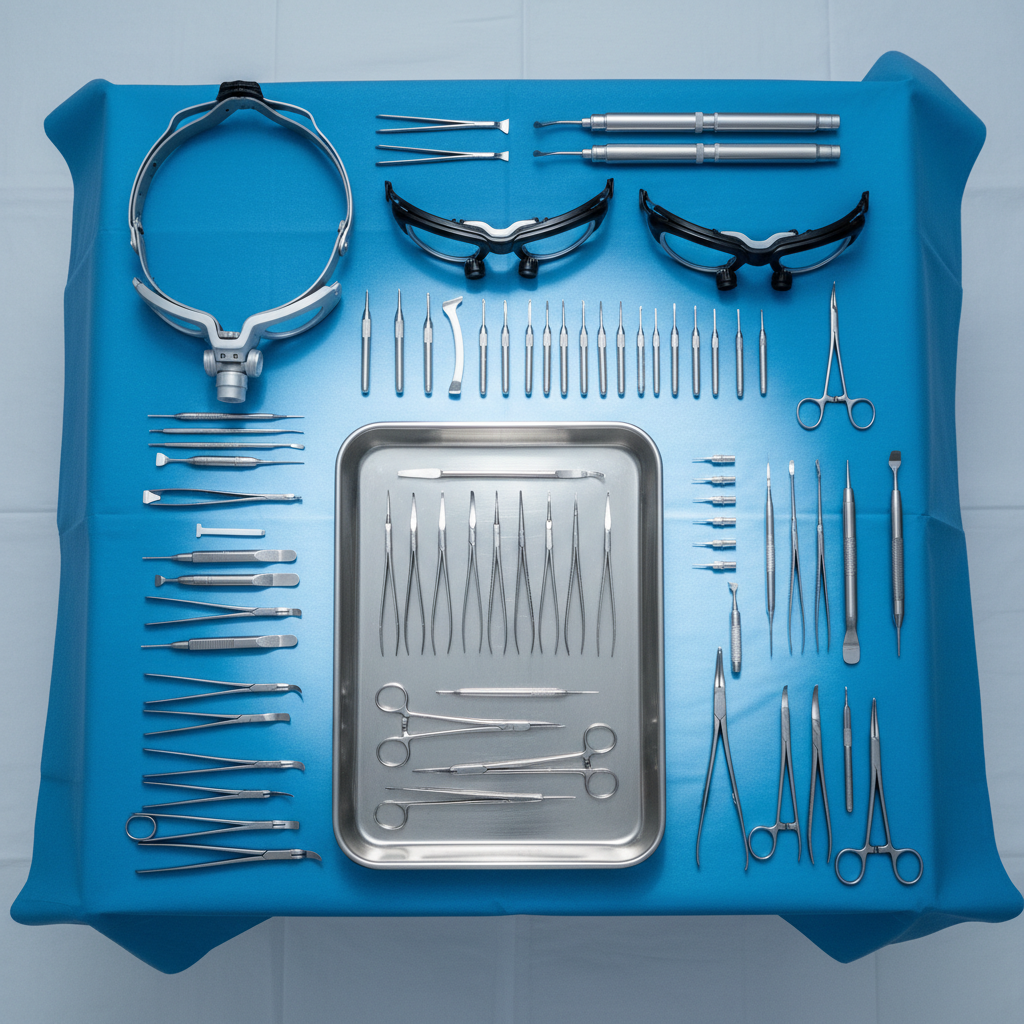
Setting Hygiene Standards in Surgical Environments
Healthcare facilities follow strict guidelines set by organizations such as the World Health Organization (WHO) and the Centers for Disease Control and Prevention (CDC) to maintain hygiene standards. These guidelines provide a framework for effective cleaning protocols.
Implementation of these standards involves comprehensive training for all staff members involved in surgical procedures. Consistent education ensures that everyone understands the importance of each step in the cleaning process and its impact on patient safety.
Steps for Ensuring Hygiene Compliance
Ensuring compliance with hygiene standards involves a series of well-defined steps. These can be broken down into the following processes:
- Pre-operative cleaning to prepare the room and equipment.
- Intra-operative cleaning to manage any contamination during surgery.
- Post-operative cleaning to restore the environment to a sterile state.
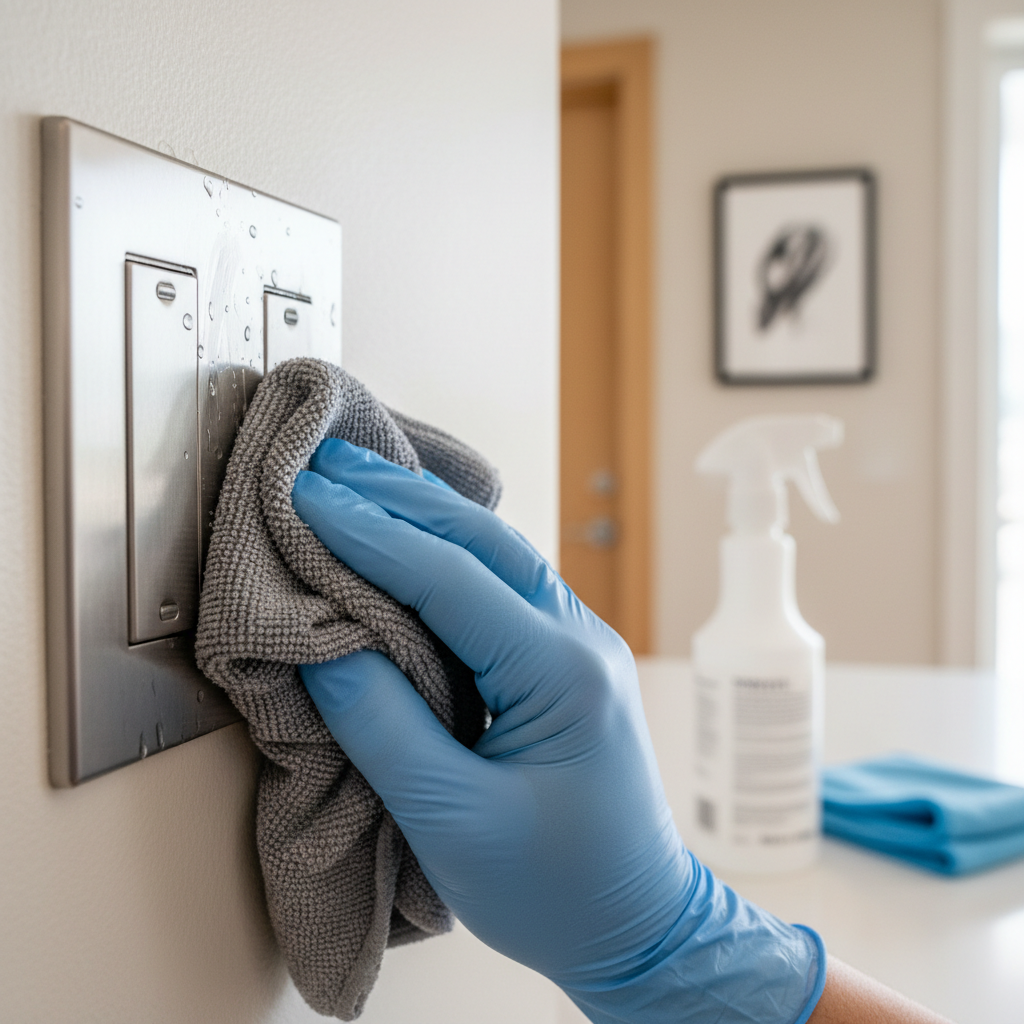
Challenges in Maintaining Surgical Hygiene
Despite stringent protocols, maintaining surgical hygiene can be challenging. Factors such as high patient turnover, staff shortages, and budget constraints can impact the effectiveness of cleaning practices. Continuous improvement and adaptation are necessary to address these challenges.
Innovations in cleaning technology and materials have provided new solutions to enhance hygiene standards. Automated systems and advanced disinfectants are increasingly being used to support traditional cleaning methods.
The Role of Technology in Enhancing Hygiene
Technology plays a pivotal role in improving surgical hygiene. Innovations such as UV light sterilization and robotic cleaning devices are becoming more common in operating rooms. These technologies offer additional layers of protection against infection.
Moreover, data analytics and monitoring systems allow for real-time tracking of cleaning activities, ensuring that no step is overlooked. This integration of technology helps maintain the highest levels of hygiene, ultimately protecting patient health.