Understanding Surgery Cleaning: Meeting High Hygiene Standards
The Importance of Surgery Cleaning
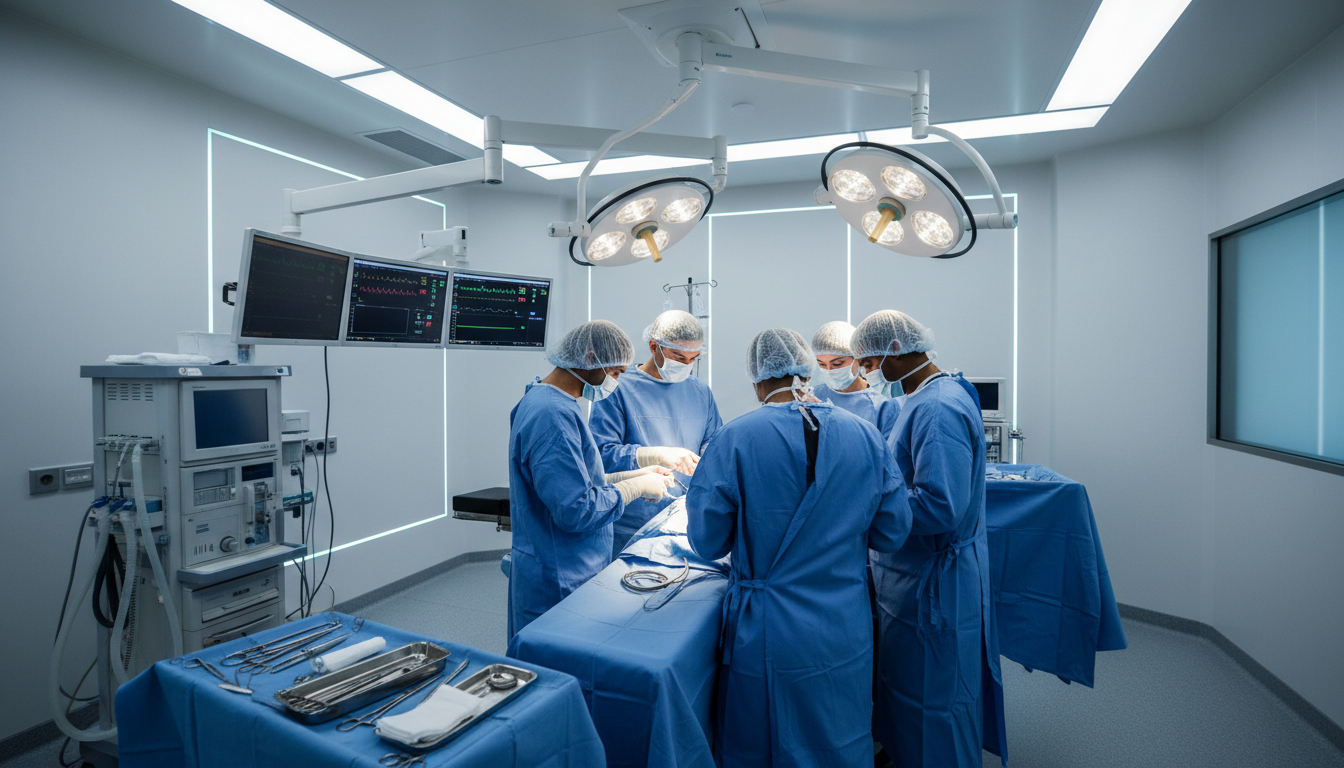
In the medical field, maintaining high hygiene standards is crucial, especially in surgical environments. The cleanliness of an operating room directly impacts patient safety and infection control. Understanding the nuances of surgery cleaning helps ensure these standards are consistently met.
Key Components of Surgery Cleaning
Surgery cleaning involves a comprehensive approach to disinfecting surfaces, instruments, and the air. It requires specialized techniques and strong attention to detail. Essential components include:
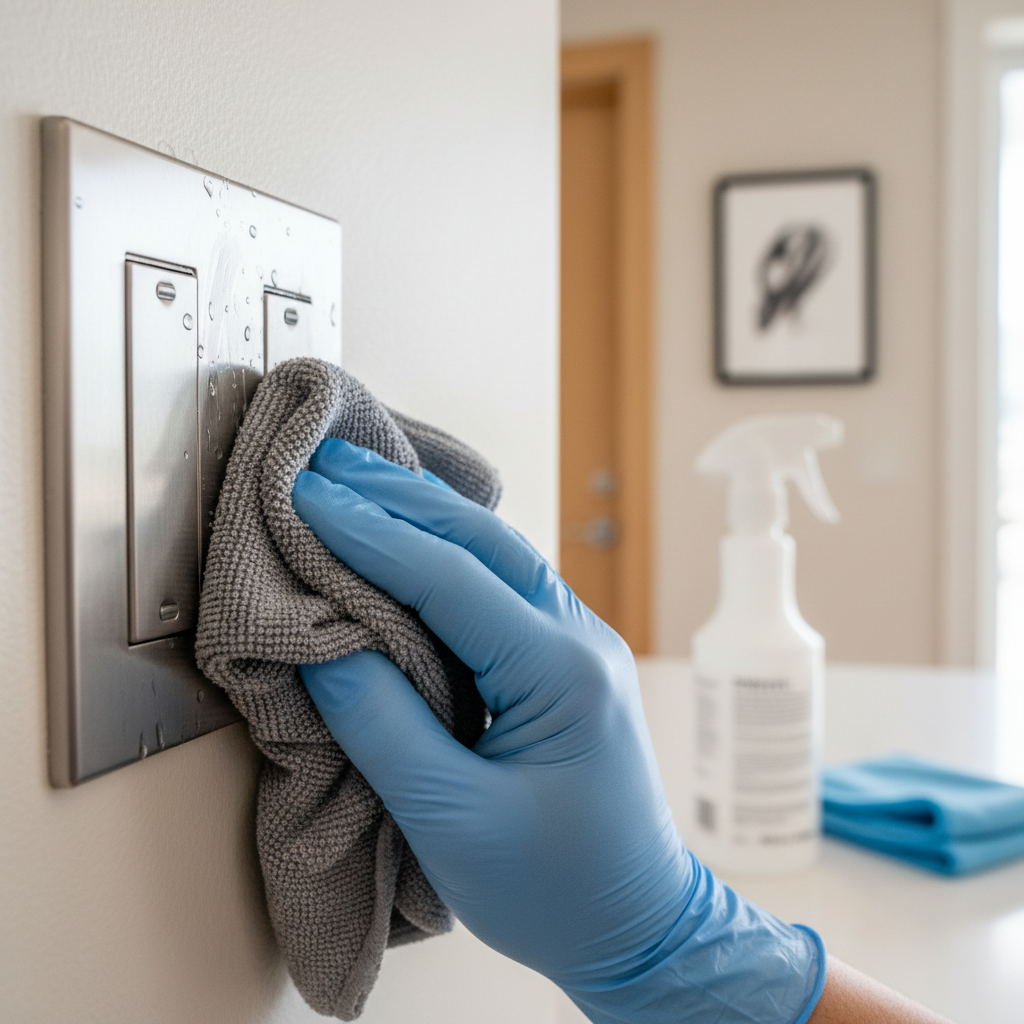
- Surface Disinfection: All surfaces must be thoroughly cleaned with disinfectants that are effective against a broad spectrum of pathogens.
- Instrument Sterilization: Medical instruments require sterilization through autoclaving or other approved methods to eliminate microbial life.
- Air Quality Control: Ventilation systems and air purifiers play a vital role in removing airborne contaminants.
Protocols and Procedures
Healthcare facilities follow strict protocols to ensure cleanliness. These procedures often include daily, weekly, and monthly cleaning schedules, each with specific tasks and responsibilities. Staff must be trained to adhere to these protocols diligently.
Challenges in Maintaining Hygiene Standards
Despite advancements in cleaning technology, healthcare facilities face challenges in maintaining hygiene standards. Issues such as high patient turnover, complex equipment, and human error can complicate cleaning efforts. Continuous staff training and investment in advanced cleaning technologies help mitigate these challenges.
Innovations in Cleaning Technology
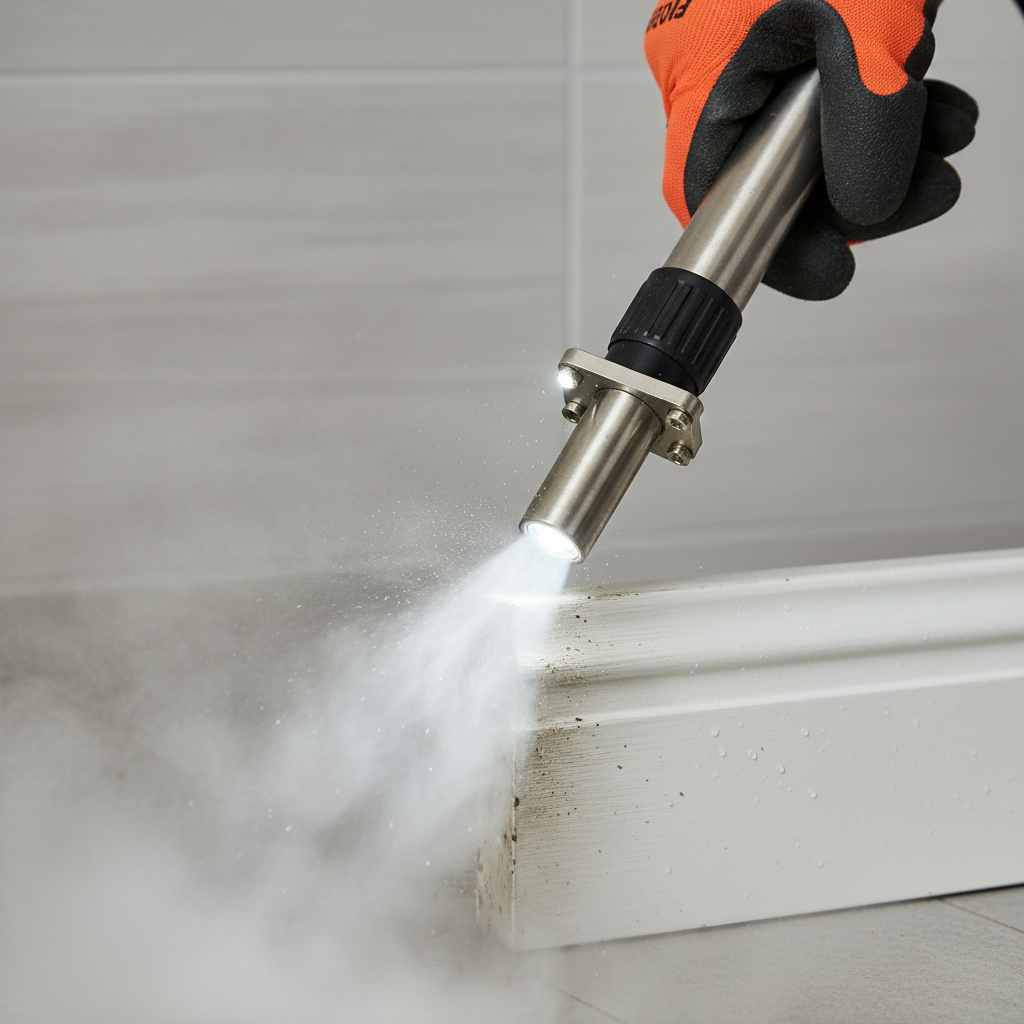
Recent innovations have significantly enhanced the effectiveness of surgery cleaning. Technologies like UV light disinfection and robotic cleaning systems provide additional layers of protection. These technologies offer a hands-free approach, reducing the risk of human error and improving overall efficiency.
The Role of Staff in Surgery Cleaning
Staff members play a crucial role in maintaining cleanliness. From janitorial staff to surgical teams, everyone must understand their specific duties and the importance of compliance with hygiene protocols. Regular training sessions and updates on new cleaning methods are essential for maintaining high standards.
Conclusion
Understanding and implementing effective surgery cleaning practices is vital for patient safety and infection control. By continuously enhancing cleaning protocols and embracing new technologies, healthcare facilities can meet the high hygiene standards required in surgical environments. Ongoing education and training for all staff members ensure these standards are consistently applied.