Why Surgery Cleaning Requires Specialized Expertise
In the realm of healthcare, maintaining a sterile environment is paramount. This is especially true in surgical settings, where the stakes are incredibly high. Surgery cleaning requires specialized expertise to ensure patient safety and prevent infections.
The Importance of Sterility in Surgery
The operating room is a controlled environment where any lapse in cleanliness can lead to severe consequences. Infections acquired during surgery can prolong recovery times and lead to additional complications. Ensuring a sterile field is crucial to patient outcomes.
Infections not only impact individual patients but can also strain healthcare systems with increased costs and extended hospital stays. This makes the role of specialized cleaning teams essential in maintaining surgical standards.

Understanding Surgical Cleaning Protocols
Surgical cleaning protocols are comprehensive and require a deep understanding of best practices. These teams follow strict guidelines to ensure every surface is free from contaminants. This involves using specific cleaning agents and techniques tailored to the unique environment of an operating room.
Key Components of Effective Cleaning
- Use of hospital-grade disinfectants
- Adherence to cleaning checklists
- Regular training and updates on cleaning protocols
Each of these components is crucial to minimizing the risk of infection and ensuring that the surgical environment remains safe for patients and healthcare professionals alike.
The Role of Specialized Training
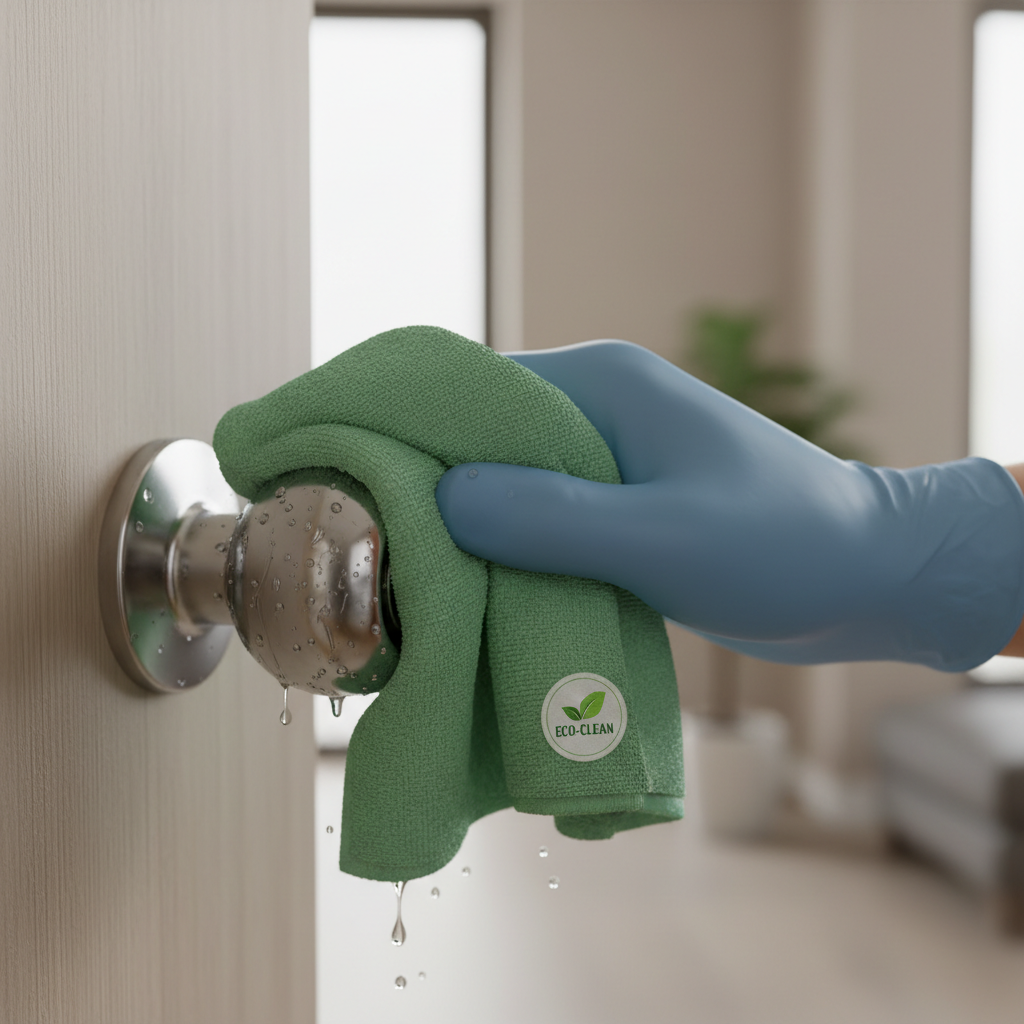
Cleaning a surgical suite is not a task that can be undertaken without proper training. Specialized cleaning staff undergo rigorous training to understand the complexities of the surgical environment. This includes learning how to handle sensitive equipment and understanding the flow of the operating room.
Continuous Education and Certification
Many hospitals require their cleaning staff to be certified in specific cleaning techniques and protocols. Continuous education ensures that staff remain up-to-date with the latest advancements in infection control and cleaning technology.
Technological Advancements in Surgical Cleaning
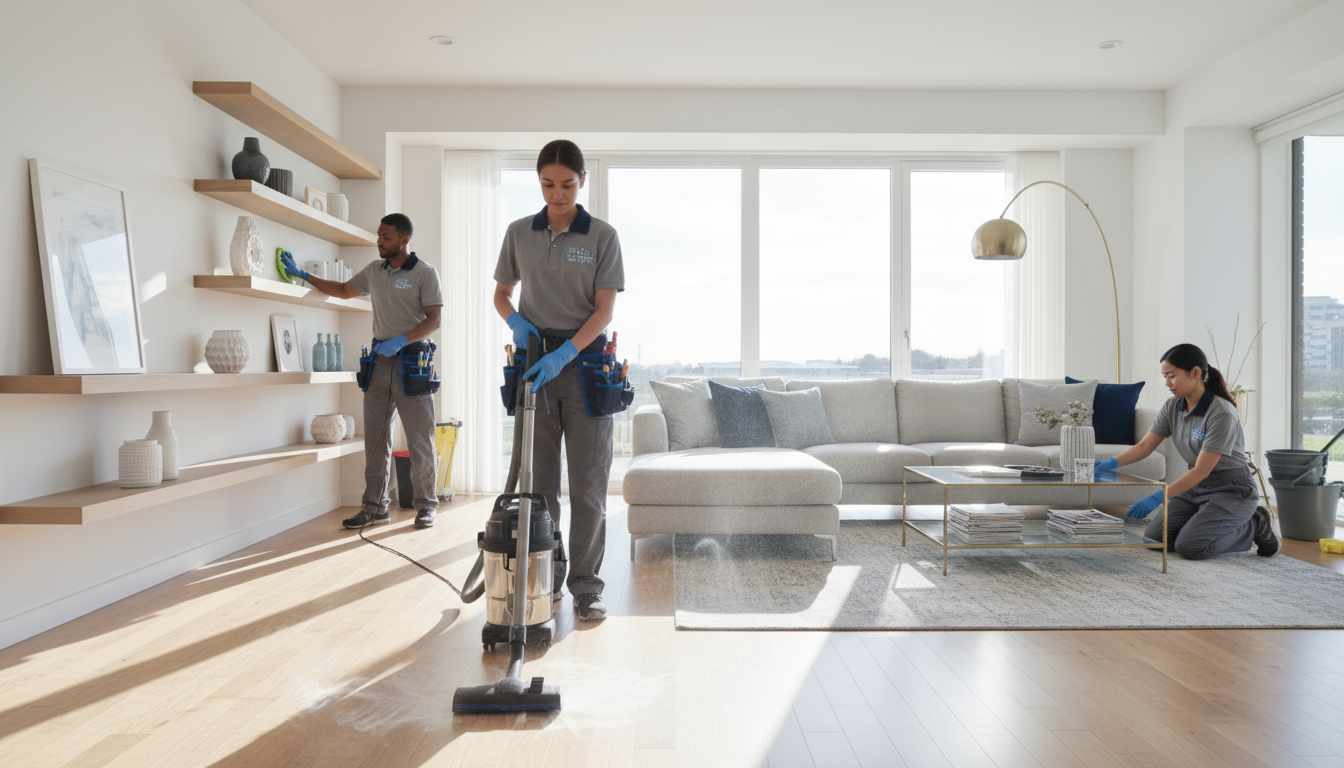
Technology plays a significant role in modern surgical cleaning. Innovations such as UV light disinfection and antimicrobial surfaces are becoming more prevalent, offering additional layers of protection against pathogens.
These technologies complement traditional cleaning methods, providing a more comprehensive approach to maintaining sterility in surgical settings.
The Future of Surgical Cleaning
As healthcare continues to evolve, so too will the methods used to maintain clean and sterile environments. Investment in training, technology, and research is crucial to meet the growing demands of surgical hygiene.
In conclusion, the specialized expertise required for surgery cleaning is integral to patient safety and successful surgical outcomes. By understanding and implementing advanced cleaning protocols, healthcare facilities can continue to provide the highest standard of care.